

Tax Planning for Business Owners in Ireland: Complete Guide
Tax planning is one of the most important financial strategies for business owners in Ireland. Without proper planning, businesses may pay significantly more tax than necessary or miss valuable opportunities to improve cash flow and profitability.
Many entrepreneurs focus on growing their business but overlook the importance of tax efficiency. However, smart tax planning can help business owners reduce their tax liability, reinvest profits, and ensure long-term financial stability.
Ireland’s tax system offers several advantages for businesses, including a competitive corporation tax rate and multiple reliefs designed to encourage innovation, investment, and entrepreneurship. By understanding how these tax rules work, business owners can structure their finances in a way that maximizes benefits while remaining fully compliant with the law.
Whether you operate a small startup, a growing company, or an established enterprise, implementing effective tax planning strategies can significantly impact your financial success.
This guide explains the most effective tax planning strategies for Irish business owners, including how to manage corporate tax, claim deductions, utilize relief programs, and avoid common tax mistakes.
Why Tax Planning Is Important for Business Owners
Tax planning plays a crucial role in business financial management. Without a structured approach to taxes, businesses may struggle with unexpected tax bills, reduced profits, and compliance issues.
Effective tax planning allows businesses to reduce their overall tax burden while remaining fully compliant with Irish tax laws.
Reduce Tax Liability
The most obvious benefit of tax planning is reducing the amount of tax your business must pay. By using legitimate tax reliefs, deductions, and incentives, businesses can legally minimize their tax obligations.
For example, claiming allowable expenses, utilizing tax credits, and planning capital investments can all reduce taxable profits.
Improve Cash Flow
Good tax planning improves cash flow by ensuring that tax payments are predictable and manageable. Businesses that plan ahead can allocate funds more efficiently and avoid financial stress during tax deadlines.
Support Business Growth
When businesses pay less tax legally, they have more funds available for reinvestment. This can help finance new equipment, hire additional staff, or expand into new markets.
Ensure Compliance with Tax Regulations
Tax planning also ensures that businesses comply with Irish tax regulations. Maintaining accurate financial records and working with professional advisors can help businesses avoid penalties or legal issues.
Understanding Business Taxes in Ireland
To implement effective tax planning strategies, business owners must understand the different types of taxes that apply to businesses in Ireland.
Corporation Tax
Corporation tax is charged on the profits of limited companies operating in Ireland. The standard rate for trading income is 12.5%, which is one of the most competitive corporate tax rates in Europe.
This low tax rate is one of the main reasons Ireland attracts international businesses and startups.
Income Tax for Sole Traders
Sole traders are taxed differently from companies. Instead of paying corporation tax, sole traders pay income tax on their profits as part of their personal income.
Income tax rates may be higher than corporation tax rates, which is why some businesses choose to incorporate as limited companies.
Value Added Tax (VAT)
VAT is a consumption tax applied to goods and services. Businesses must register for VAT once their turnover exceeds certain thresholds.
Once registered, businesses must charge VAT on their products or services and submit regular VAT returns.
PAYE and Payroll Taxes
Businesses that employ staff must operate the Pay As You Earn (PAYE) system. This involves deducting income tax, social insurance contributions, and other charges from employee wages.
Top Tax Planning Strategies for Business Owners
Business owners can implement several strategies to reduce their tax liability while remaining compliant with Irish tax laws.
Claim All Allowable Business Expenses
One of the simplest ways to reduce taxable profit is to claim all allowable business expenses.
Common deductible expenses include:
- office rent and utilities
- travel expenses
- marketing and advertising costs
- professional services such as legal or accounting fees
- office supplies and equipment
Keeping detailed records of expenses ensures that businesses do not miss valuable deductions.
Use Capital Allowances
Capital allowances allow businesses to claim tax relief on the cost of certain assets such as machinery, equipment, and vehicles.
Instead of deducting the full cost immediately, businesses may claim allowances over several years.
These allowances reduce taxable profits and help offset the cost of business investments.
Pension Contributions
Pension contributions are one of the most effective tax planning tools available to business owners.
Contributions made to pension plans are typically tax deductible, which reduces taxable income while helping business owners build long-term financial security.
Many business owners use pension planning as part of a broader tax strategy.
Research and Development Tax Credits
Businesses involved in innovation or product development may qualify for Research and Development (R&D) tax credits.
These credits encourage companies to invest in innovation and technological advancement. Eligible businesses can claim a percentage of their R&D expenditure as a tax credit.
Efficient Salary and Dividend Structure
Company directors often receive income through a combination of salary and dividends.
Balancing salary and dividend payments can reduce the overall tax burden. Dividends are taxed differently from salary, so careful planning can improve tax efficiency.
Tax Reliefs Available to Irish Businesses
Ireland offers several tax relief programs designed to support business growth and investment.
Employment Investment Incentive Scheme (EIIS)
The EIIS program allows investors to claim tax relief when they invest in qualifying Irish businesses.
This program helps startups attract funding while providing tax benefits to investors.
Capital Gains Tax Relief
Business owners who sell their company or assets may qualify for capital gains tax relief under certain conditions.
Entrepreneur relief programs can reduce the tax payable on the sale of a business.
Knowledge Development Box
The Knowledge Development Box allows businesses to apply a reduced tax rate on profits generated from qualifying intellectual property.
This incentive encourages companies to develop innovative products and technologies in Ireland.
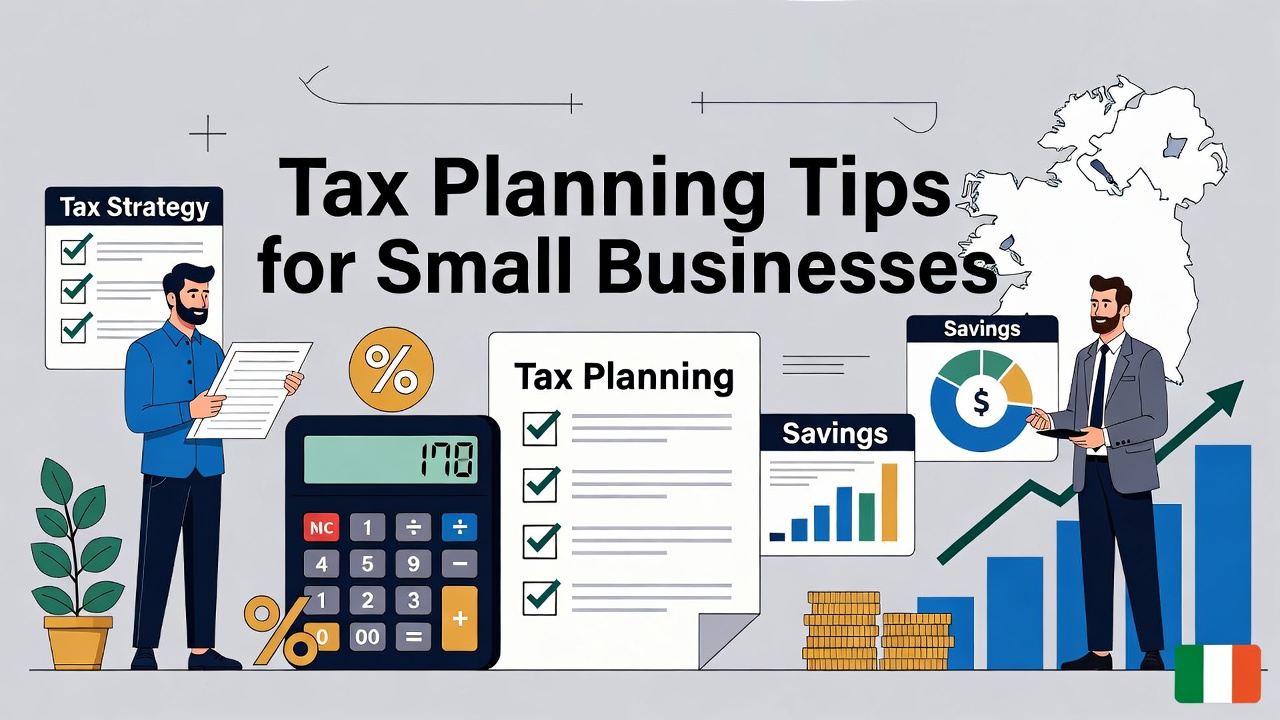
Tax Planning Tips for Small Businesses
Small businesses often face unique challenges when managing taxes. Implementing a few practical strategies can significantly improve financial efficiency.
Maintain Accurate Financial Records
Accurate financial records are essential for effective tax planning. Businesses should track income, expenses, invoices, and receipts throughout the year.
Accounting software can simplify this process and help ensure compliance.
Plan for Year-End Taxes
Waiting until the end of the financial year to think about taxes can lead to missed opportunities. Businesses should review their financial position regularly and plan ahead.
Monitor Cash Flow
Understanding cash flow allows businesses to prepare for upcoming tax obligations and avoid unexpected financial pressure.
Work with Professional Advisors
Accountants and tax advisors can provide valuable guidance on tax planning strategies and regulatory compliance.
Common Tax Mistakes Business Owners Make
Many business owners unintentionally make tax mistakes that increase their tax liability or create compliance risks.
Missing Tax Deadlines
Late tax submissions may result in penalties or interest charges. Businesses should keep track of important deadlines and submit returns on time.
Poor Record Keeping
Without accurate records, businesses may struggle to claim deductions or provide documentation during tax audits.
Not Claiming Available Tax Reliefs
Some businesses fail to take advantage of available relief programs simply because they are unaware of them.
Incorrect VAT Registration
Registering for VAT too early or too late can create administrative challenges. Businesses should monitor their turnover carefully to determine the appropriate time to register.
How a Tax Advisor Can Help Your Business
Professional tax advisors play an important role in helping businesses manage their financial obligations and optimize tax efficiency.
Tax advisors can help businesses:
- identify tax saving opportunities
- ensure compliance with tax regulations
- prepare accurate tax returns
- plan long-term financial strategies
Working with a qualified advisor can provide peace of mind and reduce the risk of costly mistakes.
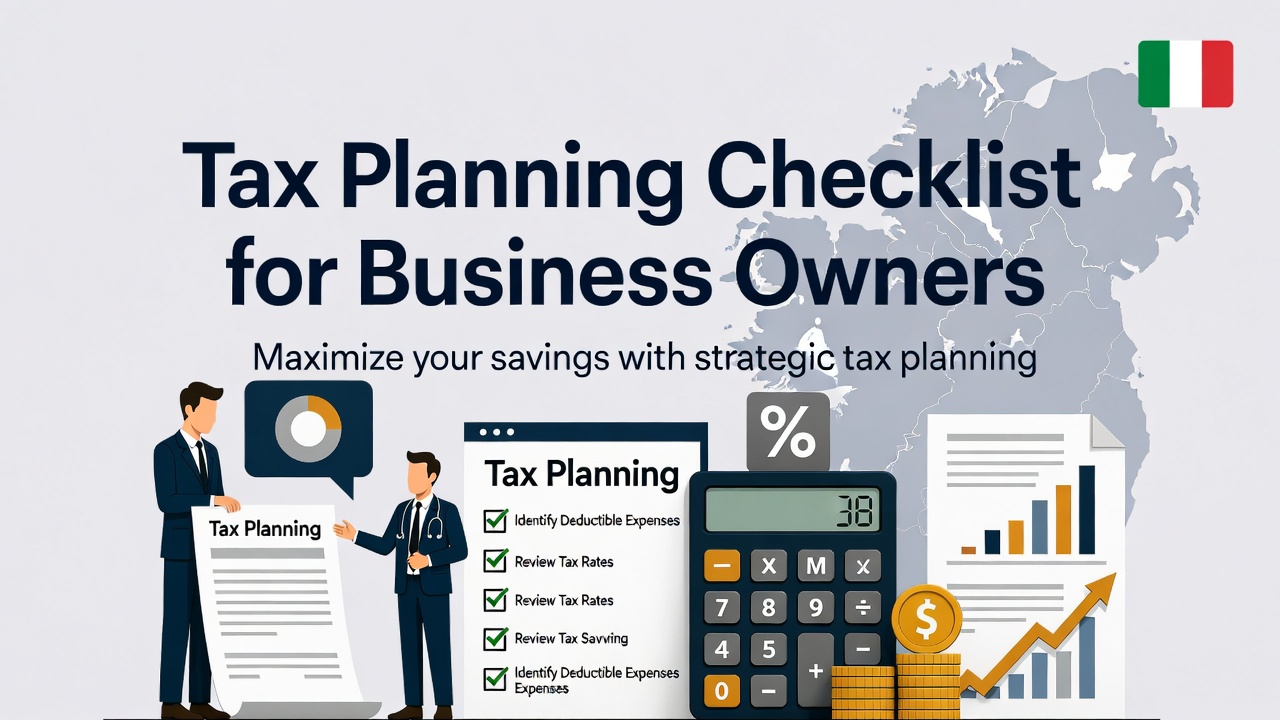
Tax Planning Checklist for Business Owners
A simple checklist can help business owners stay organized and proactive with tax planning.
Key steps include:
- reviewing financial records regularly
- tracking deductible expenses
- evaluating investment opportunities for tax relief
- planning pension contributions
- consulting with tax professionals
Following a structured approach ensures businesses remain prepared throughout the financial year.
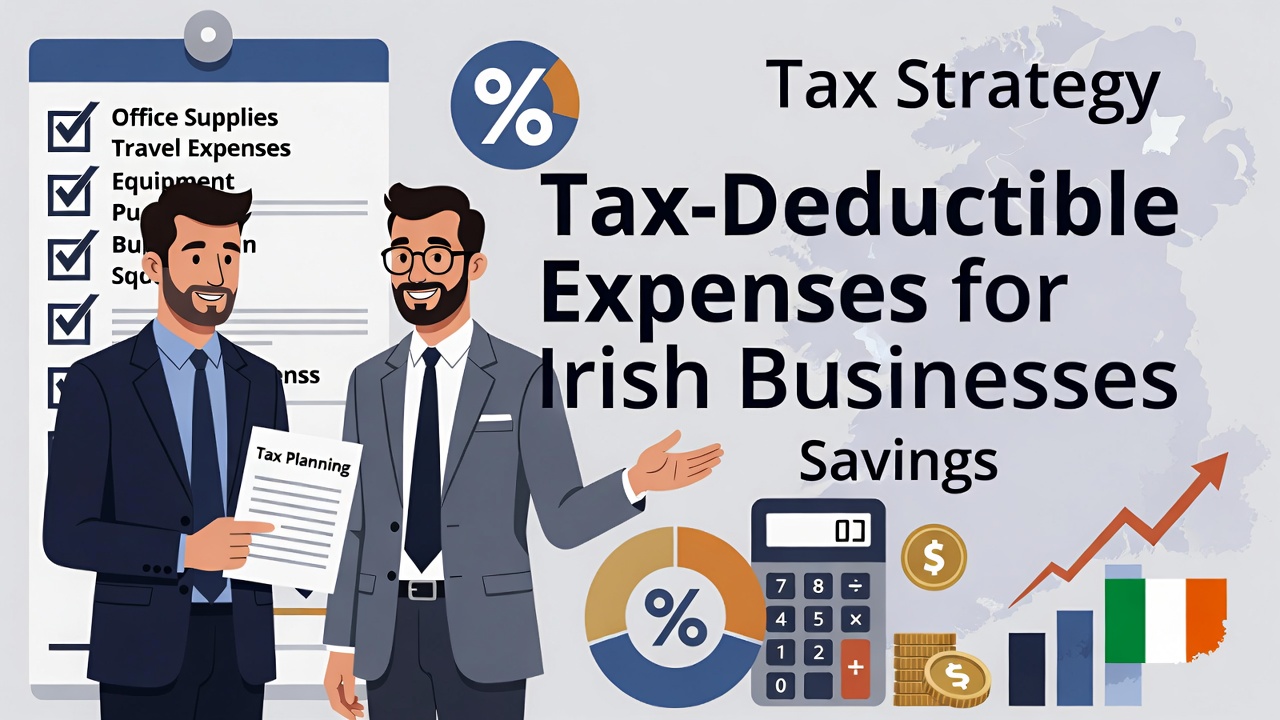
Tax-Deductible Expenses for Irish Businesses
- Workwear: Uniforms and protective clothing necessary for carrying out your trade.
- Professional Services: Fees for accounting services and corporation tax consultancy Ireland.
- Marketing & Growth: Advertisement and promotional costs to attract new customers.
- Insurance Premiums: Business-related insurance expenses.
- Legal & Professional Costs: Including company formation fees, solicitor services, and compliance costs.
- Pre-Trading Expenses: Certain costs incurred before trading can be claimed once the business starts operating.
- Staff Costs: Wages and salaries, including director’s remuneration, fall under allowable business tax relief Ireland.
- Premises & Operations: Rent, utilities, phone, and car costs related to business use.
How Do I Know If My Tax Return Is Correct?
Filing your annual return under Ireland’s self-assessment system can be overwhelming. As a business owner or self-employed individual, ensuring accuracy is vital. An incorrect or late return can lead to surcharges, penalties, and unnecessary stress.
To make sure your income tax planning Ireland is on track, keep the following in mind:
- Double-check all income, expenses, and business tax deductions Ireland before submission.
- Verify that any corporation tax filing Ireland is aligned with your company’s accounts.
- Make sure you have included allowable business tax relief Ireland, such as pre-trading expenses or capital allowances.
- Cross-check preliminary tax payments to avoid unexpected liabilities.
Because even small errors can create costly problems, many entrepreneurs rely on professional tax planning services Ireland. At TAS Consulting tax planning services, we provide trusted corporation tax advice Ireland and income tax tips for business owners Ireland so you can file with confidence.
Trusted Tax Planning & Filing Services in Ireland
The TAS Consulting team has been helping individuals and businesses across Ireland with their tax returns for over 15 years. Our expertise in income tax planning Ireland and corporation tax planning Ireland ensures that your payments are always up to date and your returns are filed correctly, on time, and in full compliance with Revenue requirements.
Whether you need corporation tax advice Ireland, income tax strategies for self-employed Ireland, or year-end business tax planning Ireland, our specialists provide tailored solutions designed to reduce liabilities and maximise reliefs.
What’s the Next Step?
If you’re unsure about your obligations or want to make the most of available business tax relief Ireland, we’re here to help. The TAS Consulting team specialises in corporation tax planning Ireland, income tax tips for business owners Ireland, and tailored professional tax planning services Ireland designed to lower your liabilities and keep you compliant.
Contact us today to speak with one of our experts about:
- Corporation tax advice Ireland and year-end planning.
- Income tax strategies for self-employed Ireland.
- Guidance on how to reduce corporation tax Ireland.
- Proven tax saving tips for Irish companies.
Don’t wait until the deadline—take control of your finances with trusted support from TAS Consulting tax planning services.
Frequently Asked Questions
What is tax planning for business owners?
Tax planning involves organizing business finances in a way that legally minimizes tax liability while ensuring compliance with tax regulations.
Why is tax planning important for businesses?
Tax planning helps businesses reduce tax payments, improve cash flow, and avoid financial penalties.
What taxes do Irish businesses pay?
Irish businesses may pay corporation tax, VAT, payroll taxes, and other charges depending on their structure and operations.
How can business owners reduce their tax bill?
Business owners can reduce taxes by claiming deductions, using tax credits, contributing to pensions, and planning investments strategically.
Should businesses hire a tax advisor?
Should businesses hire a tax advisor?
Our Services
We offer a wide range of accounting-related services of unrivalled quality and dependability. We believe that each customer should be treated as an individual with distinct needs and requirements. TAS provides each customer with customised and tailored solutions in the following areas:
Contact Us
Office Address
Unit 80, Cherry Orchard Business Park, D10NX96, Dublin 10, Ireland
Working Hours
Monday to Friday: 0800 hours – 1700 hours
Saturday & Sunday: Closed
Email or Call Us
Email: moh@tasconsulting.ie
Mobile: +353 85 1477625