

Understanding the Rental Property Market in Ireland
The rental property market in Ireland continues to evolve in response to legislative reforms, shifting tenant demands, and macroeconomic pressures. Whether you're an investor analyzing Ireland rental yields or a tenant navigating rent pressure zones in Ireland, staying updated is crucial in today’s dynamic landscape.
Dublin’s Rental Scene Yields, Vacancy, and Corporate Lets
In Dublin, the average rent continues to climb, with demand outpacing supply in most neighborhoods. This has led to a historically low vacancy rate in Dublin rentals, driving interest in corporate lets Dublin and short-term leasing models. Many investors are attracted to the city’s strong build-to-rent Ireland sector, where yields remain competitive compared to traditional buy-to-let options.
Additionally, the Ireland build-to-sell vs build-to-rent shift is now more pronounced, particularly in urban areas, as developers prioritize stable rental income over one-off sales. Investors also increasingly factor ESG in rental property Ireland, particularly in Dublin, where sustainability credentials can boost both rental value and tenant retention.


Regional Trends Cork, Limerick, and University Towns
The Cork rental market trends show increasing demand, especially among young professionals and tech workers. Meanwhile, Limerick rent increases in Ireland are largely driven by a mix of returning diaspora and expanding university populations.
In general, university towns’ rental demand in Ireland—like Galway, Maynooth, and Limerick—is surging, prompting landlords to upgrade properties and optimize yields. These towns are also less regulated than Dublin’s rent pressure zones, offering greater pricing flexibility.
Policy & Regulation Reforms, Incentives, and Assistance
The government’s Housing for All Ireland plan has introduced a wave of Irish rental reforms, including enhanced tenant protections, updated zoning policies, and an ambitious build-out of social and affordable housing.
Simultaneously, landlord tax incentives in Ireland aim to attract private investors back into the rental market, particularly in under-served rural areas. The availability of the Housing Assistance Payment in Ireland has also expanded, improving accessibility for low-income renters while ensuring rental income continuity for landlords.
In response to rising eviction rates, the government has introduced eviction reform in Ireland rental legislation, aiming to balance tenant rights with property owner interests.
Cross-Border Comparison Northern Ireland vs Republic Property Prices
An ongoing point of analysis is Northern Ireland versus Republic property prices. While Northern Ireland offers more affordable entry points, the Republic—especially Dublin and Cork—presents higher rental income potential due to demand density and economic activity. Savvy investors compare both markets closely when diversifying their portfolios.
The Investment Landscape CRE and Smart Technologies
As part of a broader trend, Irish CRE investment volume has seen a shift toward rental assets, with institutional investors targeting stabilized income streams. The emergence of smart rent blockchain in Ireland is also transforming rental operations—enhancing transparency, automating lease management, and reducing fraud.
Do You Own a Rental Property in Ireland? Here's How to Claim Tax-Deductible Expenses
If you own a rental property in Ireland, you may be eligible to claim a wide range of expenses against your rental income. With rising costs and shifting market dynamics—like changes in Ireland rental yields, ongoing Irish rental reforms, and the latest updates from the Housing for All Ireland plan—understanding what you can deduct is essential to maximizing profitability.
Allowable Expenses for Irish Landlords
Below is a comprehensive list of expenses that can be claimed against rental income, especially relevant if you're managing property in areas with high demand like Dublin, Cork, or university towns across Ireland:
- Mortgage interest (if the property is registered with the Residential Tenancies Board)
- Repairs and maintenance
- Insurance premiums (e.g., landlord insurance)
- Property management fees
- Accountant or legal fees
- Advertising for tenants
- Utilities and service charges (if paid by the landlord)
- Wear and tear on furniture (capital allowances)
- Travel expenses for property inspections
These deductions are especially important for landlords in rent pressure zones in Ireland, where Dublin average rent may be capped but operational costs remain high.

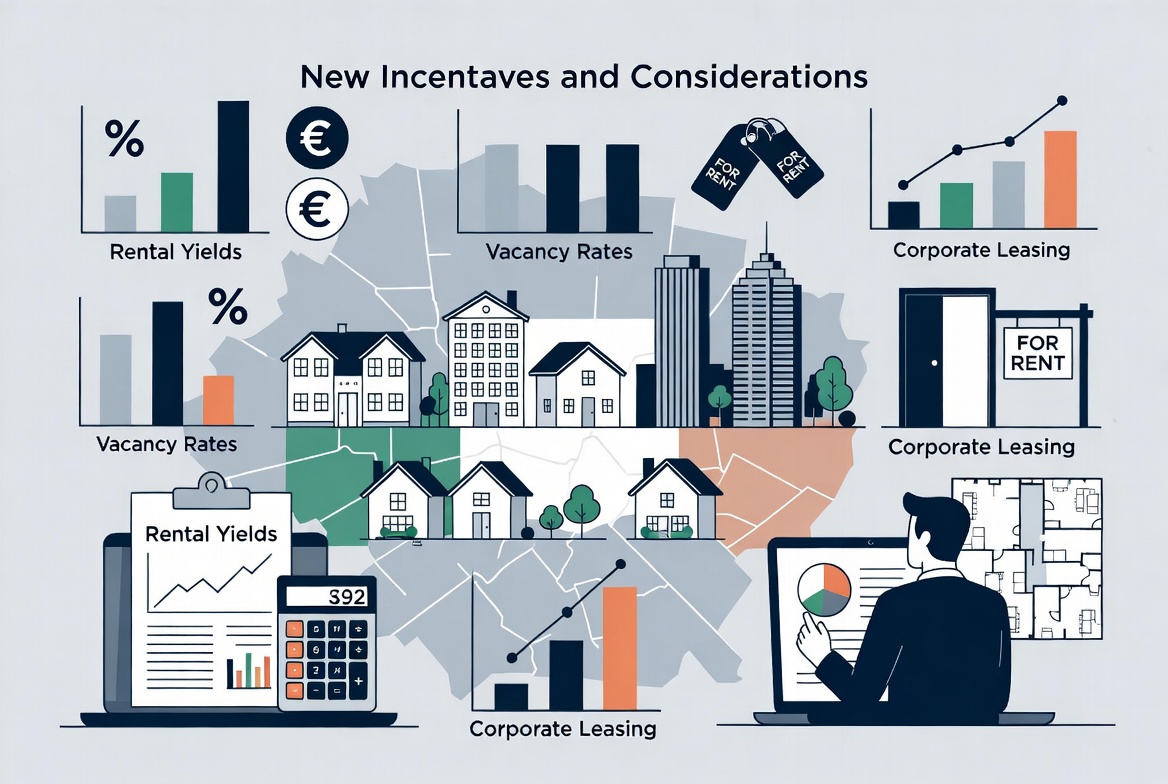
New Incentives and Considerations
Thanks to recent landlord tax incentives in Ireland, eligible owners may now access enhanced deductions and allowances—part of the state’s strategy to stimulate private sector participation amid housing shortages. These changes are aligned with the Housing for All Ireland plan, aiming to balance affordability with investor sustainability.
Meanwhile, the eviction reform in Ireland rental laws also influence how landlords approach expense planning, especially regarding legal and administrative fees.
If you're in the build-to-rent Ireland space, you may qualify for specific reliefs targeting large-scale, long-term rental projects. This is particularly relevant for institutional investors and those adjusting to the Ireland build-to-sell vs build-to-rent shift.
Regional Variances Dublin, Cork, Limerick & More
In Dublin, where the vacancy rate for rentals remains exceptionally low, expenses related to tenant acquisition (like advertising and agency fees) are common write-offs. Corporate lets in Dublin also tend to involve higher upfront furnishing and legal costs—fully deductible under current rules.
In contrast, those investing in the Cork rental market or experiencing Limerick rent increases in Ireland may find greater flexibility in setting rent levels, which could impact the ratio of deductible expenses to income.
University towns’ rental demand in Ireland—from Galway to Maynooth—is also pushing up operational costs, particularly during peak leasing seasons. Landlords here should ensure they document all relevant expenses related to turnover, marketing, and seasonal maintenance.

Digital Innovation & ESG Considerations
Forward-thinking landlords leveraging smart rent blockchain in Ireland can now automate expense tracking and lease compliance, reducing manual errors and boosting audit readiness. Similarly, investments tied to ESG in rental property Ireland—like energy-efficient upgrades—may be eligible for additional tax reliefs or grants.
Northern Ireland vs Republic Claiming Across Borders
If you're comparing Northern Ireland versus Republic property prices for cross-border investing, note that tax deduction rules differ slightly. While both regions allow expense claims, the Republic's tax code—especially under the Irish CRE investment volume strategy—is more favorable for long-term rental income planning.


Support Options for Tenants and Landlords
Landlords who rent to tenants receiving the Housing Assistance Payment (HAP) in Ireland may also qualify for extra stability in rent payments, which helps with forecasting and cost management. Keeping accurate records is vital in these cases to stay compliant and fully benefit from eligible deductions.
Claimable Rental Property Expenses in Ireland
If you’re a landlord in Ireland, understanding the full range of expenses you can claim is essential—especially with shifting Ireland rental yields, updated Irish rental reforms, and changes introduced under the Housing for All Ireland plan. These deductions directly impact your tax liability and net income.
Here’s a breakdown of the allowable rental property expenses in Ireland, whether you're leasing in rent pressure zones in Dublin, managing corporate lets in Dublin, or targeting university towns rental demand in Ireland.


Local Authority Rates
The rates you pay to a local authority for your rental property are fully tax-deductible. These charges are common in cities like Dublin, where local councils fund waste services, infrastructure, and tenant-related amenities. For landlords in rent pressure zones in Ireland, these expenses are non-negotiable and often substantial. Accurate documentation of local authority charges ensures clean tax reporting and maximizes net Ireland rental yields. If you're operating across both Northern Ireland and the Republic, be aware of differing local rate systems.
Ground Rents
If you lease property on land you don’t own, you're likely paying ground rents, especially common with older properties in cities like Cork or Limerick. These payments are deductible from your rental income and should be recorded annually. Ground rents are often misunderstood, but they’re a key part of cost structures in many build-to-rent Ireland developments. In university towns, ground rents on purpose-built student accommodation (PBSA) can also be claimed if structured correctly. This is crucial in a sector where university towns rental demand in Ireland remains high.

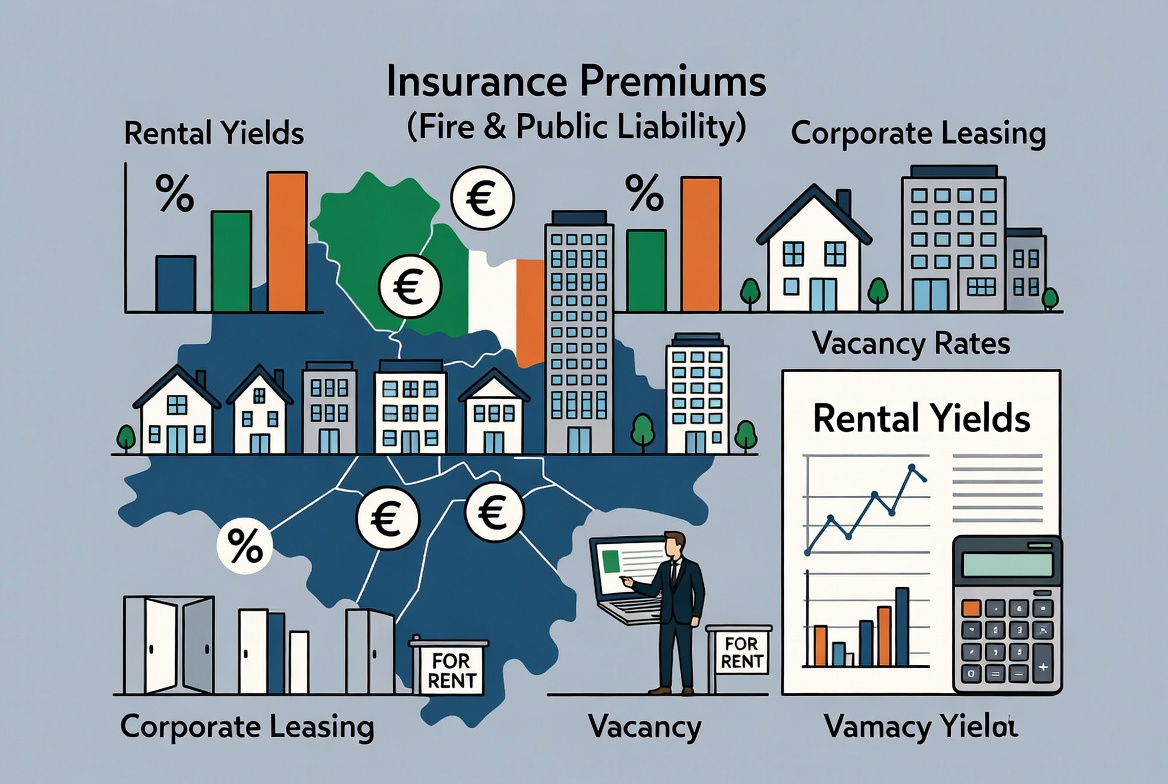
Insurance Premiums (Fire & Public Liability)
Landlords must hold adequate insurance against fire and public liability, especially when letting to multiple tenants or offering corporate lets in Dublin. These premiums are fully deductible and vary by property size, location, and risk exposure. Premiums tend to be higher in central Dublin and coastal areas where risk profiles are elevated. As ESG in rental property Ireland grows, insurers may offer discounts for energy-efficient upgrades, which can also feed into other tax reliefs. Always keep detailed policy documents and payment receipts for revenue audits.
Property Maintenance (Cleaning, Painting, Decorating)
Ongoing maintenance of your property, including cleaning, painting, and decorating, is an allowable cost against rental income. For landlords managing turnover-heavy units in university towns or corporate lets, this is an annual, if not quarterly, necessity. These costs help preserve property value and reduce vacancy rates, especially in tight markets like Dublin rentals, where aesthetics heavily influence tenant decisions. Keeping a well-maintained property also supports your compliance with Irish rental reforms around habitability standards. Invest smartly—cosmetic improvements that aren't structural are usually deductible.

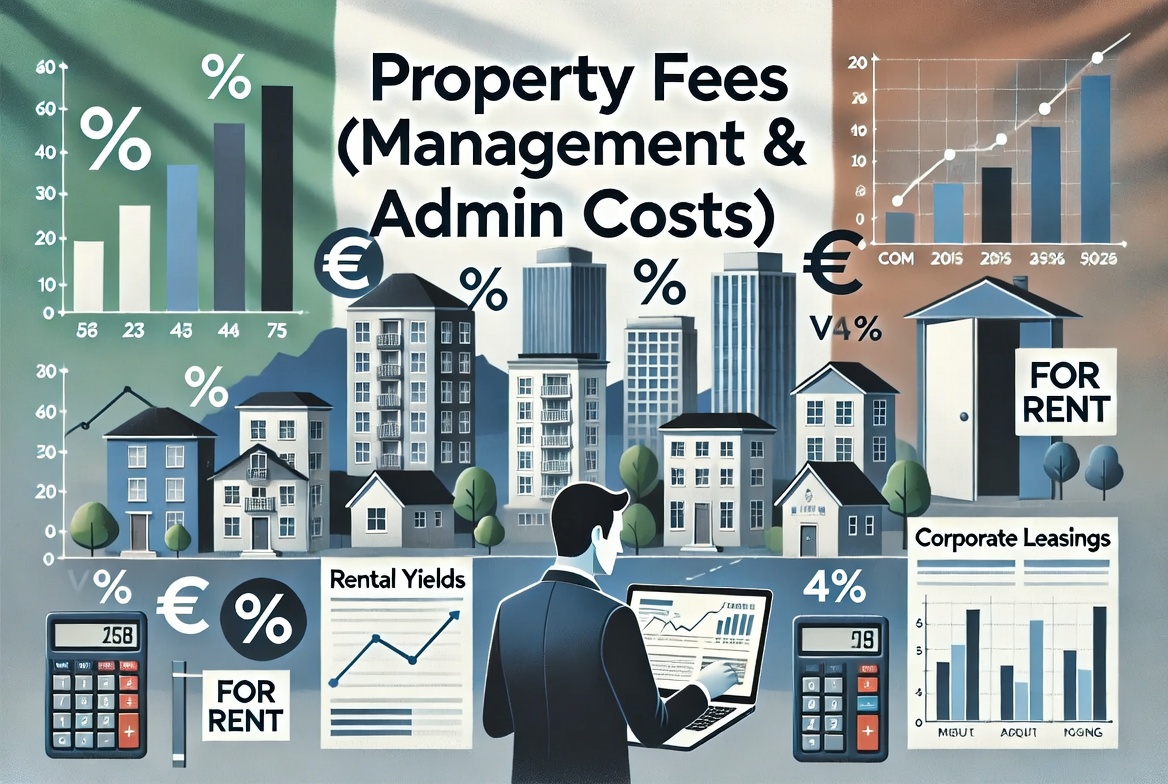
Property Fees (Management & Admin Costs)
Whether you use a letting agent, property manager, or legal service, these property fees are tax-deductible. In high-demand areas like Cork or Limerick, outsourcing tenant screening, rent collection, and maintenance can save time and reduce stress. Property owners using platforms powered by smart rent blockchain in Ireland may incur digital service fees, which are also claimable. If you're managing several properties or handling build-to-rent units, third-party admin support is often essential. Always distinguish between service fees and capital improvements for accurate filing.
Mortgage Protection Policy Premiums
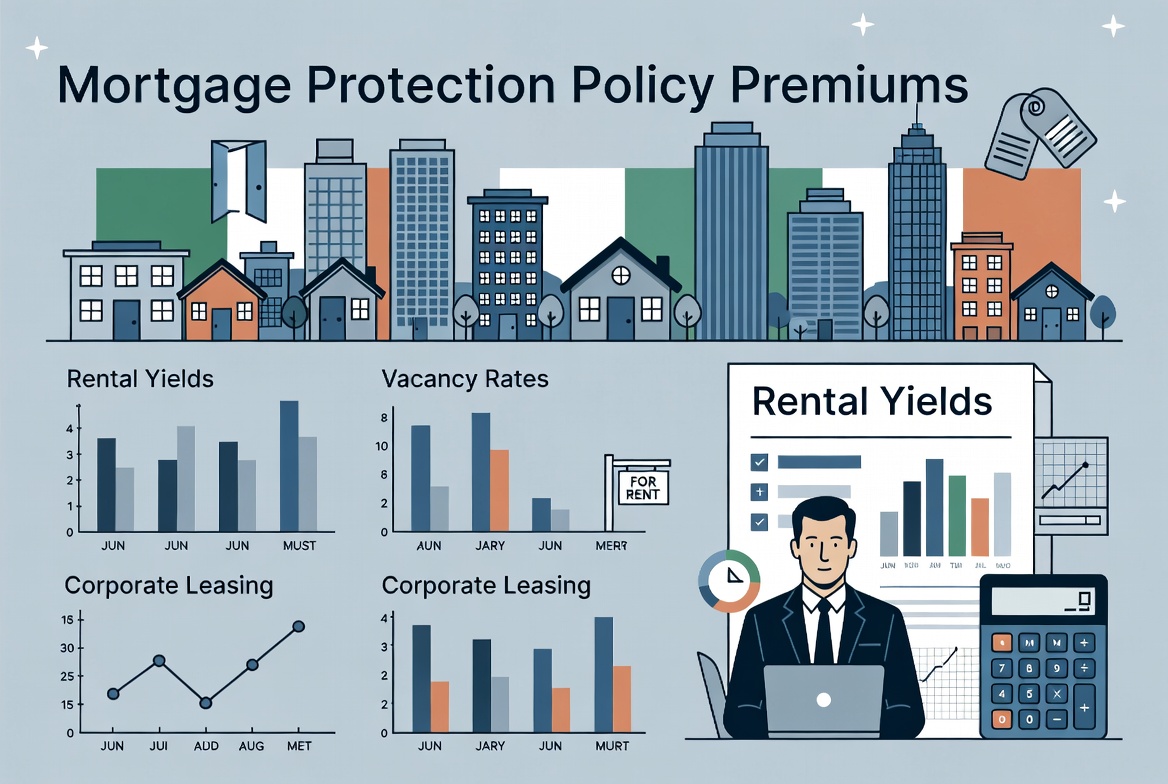
Landlords with loans often purchase mortgage protection insurance, especially those financing units in the build-to-sell vs build-to-rent Ireland shift. These premiums safeguard the lender’s interest in case of death or disability and are a valid expense under Irish tax law. While separate from mortgage interest (which is also deductible if conditions are met), protection premiums can provide peace of mind. Investors comparing Northern Ireland versus Republic property prices should note that relief options vary by jurisdiction. Always store policy documentation for claims verification.
Capital Allowances (Furniture & Fittings)
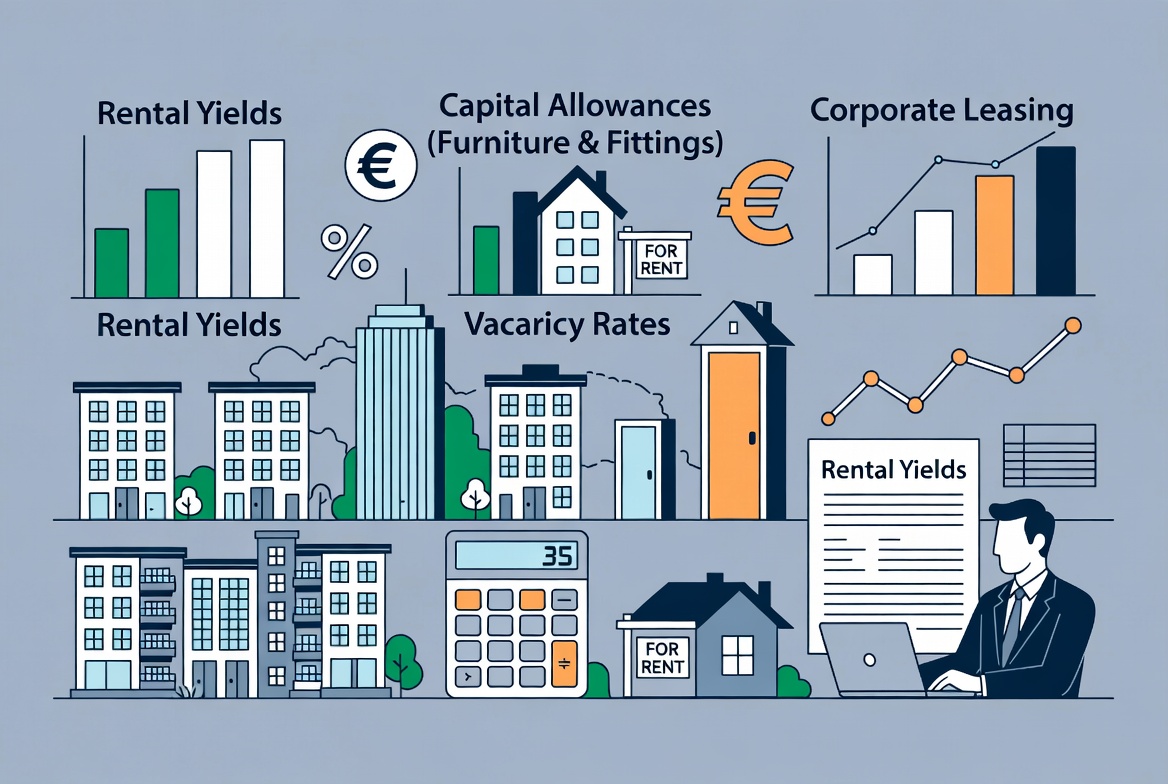
If you furnish your rental property, you may be entitled to capital allowances for wear and tear on items like sofas, beds, white goods, and kitchen units. This is particularly relevant for corporate lets in Dublin or units in university towns, where furnished accommodation is the norm. Landlords in the build-to-rent Ireland market often budget for higher-quality furnishings to attract premium tenants, making these allowances even more valuable. Capital allowance claims must be spread over several years, typically eight, and require detailed inventories. Sustainable and energy-efficient items may qualify for additional deductions under ESG programs.
Repairs (Windows, Doors, Rot Treatment, Appliances)
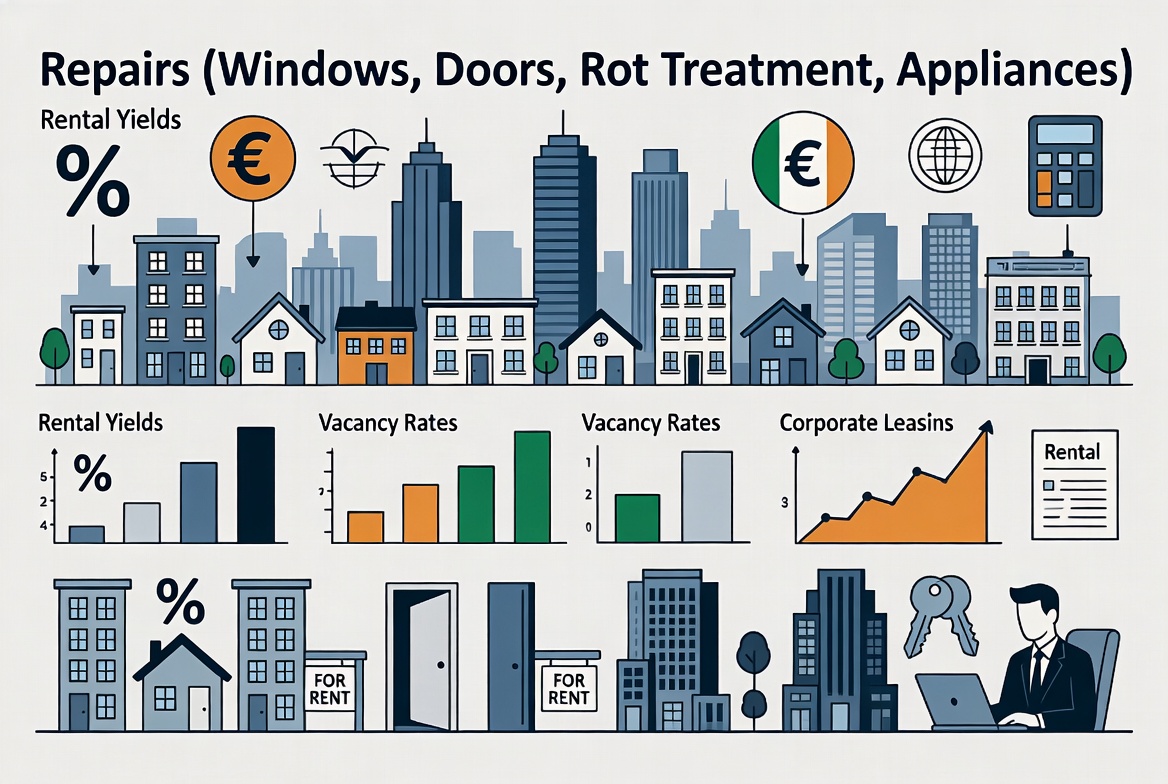
Day-to-day repairs, including fixing broken windows, treating rot, or mending heating equipment, are fully tax-deductible. These differ from capital improvements, which add long-term value and must be depreciated. Quick repairs are common in high-use properties—such as student homes in Limerick or rental flats in central Dublin. Repairs also help meet tenant obligations under the Irish rental reforms, especially around safety and hygiene standards. Prompt fixes can reduce tenant turnover and help maintain a low vacancy rate in Dublin rentals, which directly impacts overall yield.
Pre-Letting Expenses (On Vacant Property)
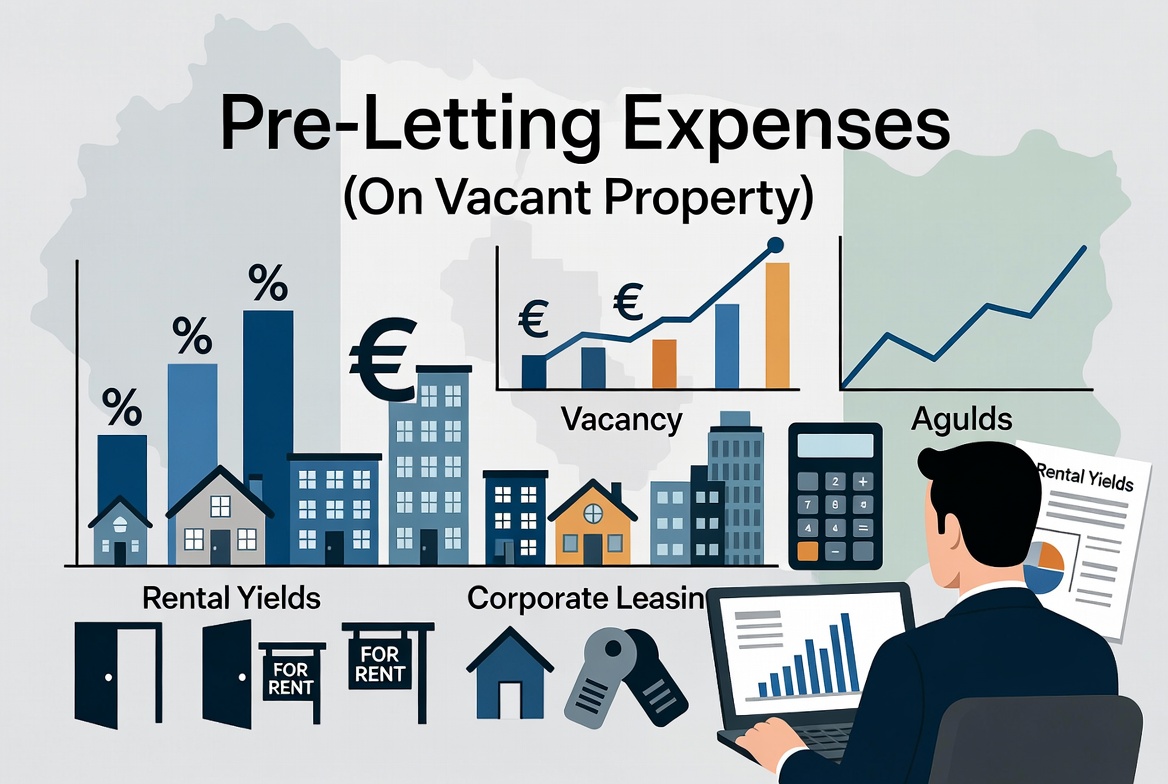
Certain costs incurred before a property is let—such as minor repairs, advertising, and professional advice—are considered pre-letting expenses and may be deductible. This is especially helpful when bringing previously vacant residential properties back into use, which aligns with objectives under the Housing for All Ireland plan. Properties that sat empty during downturns or transitions may require touch-ups, staging, or compliance upgrades. These costs are often overlooked but are critical for restoring income streams. They’re particularly relevant to landlords aiming to reduce vacancy rates in Dublin rentals or attract HAP tenants.
Residential Tenancies Board (RTB) Registration Fee
Every landlord letting in Ireland must register their tenancy with the Residential Tenancies Board (RTB)—and the registration fee is tax-deductible. This fee ensures compliance with tenancy laws, especially in rent pressure zones where enforcement is stricter. It's essential for landlords applying for Housing Assistance Payment Ireland availability, as non-registered properties are not eligible. The RTB also helps mediate disputes and offers protection for both landlords and tenants under eviction reform in Ireland rental laws. Keeping RTB receipts and records is non-negotiable for tax time and audit defense.

Contact Us
Office Address
Unit 80, Cherry Orchard Business Park, D10NX96, Dublin 10, Ireland
Working Hours
Monday to Friday: 0800 hours – 1700 hours
Saturday & Sunday: Closed
Email or Call Us
Email: moh@tasconsulting.ie
Mobile: +353 85 1477625