TAS Consulting

Complete Guide to Taxes on Rental Income in Ireland

Understanding how taxes work on rental income in Ireland is essential for both seasoned landlords and first-time property investors. With the rental income tax rate in Ireland and recent policy changes, keeping up-to-date ensures you can legally reduce your liability while maximising returns.

How Rental Income Is Taxed in Ireland

How Rental Income Is Taxed in Ireland

Rental income is generally treated as taxable income and is subject to income tax, PRSI and USC on rental income. Whether you’re a resident landlord or living abroad, you must declare all earnings from letting property. Your rental income tax rate in Ireland 2025 will depend on your total income and applicable tax bands.

Allowable Expenses for Rental Property in Ireland

Landlords can claim various deductions to reduce their tax bill. Allowable expenses rental property Ireland include:

  • Property management fees
  • Repairs and maintenance
  • Insurance premiums
  • Claiming RTB fees rental property Ireland
  • Advertising costs for finding tenants

Importantly, mortgage interest relief rental income Ireland is available, allowing you to deduct qualifying interest payments from taxable rental profits.

Rent-a-Room Relief Ireland

If you rent a room in your home, Rent-a-Room Relief Ireland lets you earn up to a set threshold tax-free, provided you meet eligibility conditions.

Pre-Letting Expenses Relief Ireland

If your property was vacant, you may qualify for pre-letting expenses relief Ireland, allowing certain costs incurred before letting to be deducted.

Wear and Tear Allowance Furnished Lettings Ireland

Furnished rental properties may qualify for a wear and tear allowance furnished lettings Ireland, giving tax relief on the cost of furniture and fittings.

Rent-a-Room Relief Ireland
Filing Your Rental Income Tax Return

Filing Your Rental Income Tax Return

Knowing whether to use Form 11 vs Form 12 rental income Ireland is crucial.

  • Form 11: For self-assessed taxpayers, including landlords with other income streams.
  • Form 12: For PAYE taxpayers with small amounts of rental income.

Local Property Tax Landlord Liability Ireland

Even if you rent out your property, you remain responsible for the local property tax landlord liability Ireland.

CGT on Sale of Rental Property Ireland

When you sell a rental property, CGT on sale of rental property Ireland applies on the profit, with possible exemptions or reliefs depending on the circumstances.

Negative Gearing Ireland

Some landlords operate under negative gearing Ireland, where property costs exceed rental income, potentially impacting tax outcomes.

Airbnb vs Traditional Letting

The income from Airbnb vs rental income Ireland debate matters because short-term letting is often taxed differently. Revenue may treat certain Airbnb income as trading income rather than rental income, affecting reliefs and allowable deductions.

Recent Trends & Policy Changes

With the impact of Budget on landlords Ireland, changes in tax bands, relief limits, and reporting obligations may alter how you manage your property portfolio. The landlord exit market Ireland is also affecting supply and rental income statistics in Ireland.

Airbnb vs Traditional Letting
Tax Credits and New Reporting Rules

Tax Credits and New Reporting Rules

The rent tax credit Ireland allows eligible tenants to claim relief, but landlords should understand it too, as it can influence rental demand. New digital platforms and rental tax reporting Ireland requirements mean that letting via online platforms will automatically be reported to Revenue.

Practical Tax Advice for First-Time Landlords

If you’re new to property investment, tax advice for first-time landlords Ireland is essential. Structuring your finances, keeping detailed records, and staying informed on reliefs can significantly reduce your tax bill.

Staying ahead of taxes on rental income in Ireland means understanding all possible reliefs, obligations, and filing requirements. By strategically claiming expenses, using available reliefs, and keeping up with legislative changes, you can maximise profits while staying compliant.

What You Can Deduct as a Landlord in Ireland

Irish tax law recognises that when you rent out your property — whether full-time or part-time — you inevitably incur costs. These allowable expenses for rental property in Ireland can include:

  • Mortgage interest relief on rental income in Ireland
  • Repairs and maintenance
  • Rental platform or letting agent fees
  • Insurance premiums
  • Upkeep of shared areas and services

In addition, landlords may be entitled to a wear and tear allowance for furnished lettings in Ireland, which accounts for the depreciation of furniture and fittings. All these deductions are subtracted from your gross rental income (the total rent you receive) to arrive at your taxable rental income. This is the figure used to calculate the rental income tax rate in Ireland that you’ll pay.

What You Can Deduct as a Landlord in Ireland
Repairs and Maintenance

Repairs and Maintenance

Repairs and maintenance are essential costs for keeping your rental property in good condition and generating income. In Ireland, these expenses are fully deductible in the year they are incurred, reducing your taxable rental profits. For landlords, repair costs are among the most valuable deductions available, as they can directly lower your taxes on rental income in Ireland.

Common examples include fixing leaks, repainting walls, replacing broken appliances, and addressing wear and tear. However, it’s important to note that improvements or upgrades that increase the property’s value may not be treated as repairs — these could fall under capital expenses instead.

Long-Term Property Asset Expenses

Long-term assets are items you use in your rental business that have a useful life of more than one year. The most significant long-term asset is usually the property itself, but it can also include furniture, appliances, vehicles, and equipment used for the rental activity.

In tax terms, these are known as capital expenses and are considered part of your investment in the rental property, rather than day-to-day running costs. In Ireland, the cost of long-term assets cannot be written off in full in the year of purchase. Instead, they are deducted gradually through capital allowances — the Irish tax term for depreciation.

The standard capital allowances rate in Ireland is 12.5% per year over eight years. This means you can claim 12.5% of the qualifying asset cost each year against your taxes on rental income in Ireland, rather than as a one-time expense.

Long-Term Property Asset Expenses
Mortgage Interest Relief

Mortgage Interest Relief

In Ireland, landlords can claim mortgage interest relief on rental income as a deduction when calculating their taxable profits. To qualify, the interest must be from a mortgage used specifically to purchase, improve, or repair your rental property.

This relief can significantly reduce your taxes on rental income in Ireland, especially for landlords with larger borrowings. It’s important to note that only the interest portion of your repayments — not the capital — is deductible. Keeping clear records of your loan purpose and repayments is essential to ensure compliance with Revenue requirements.

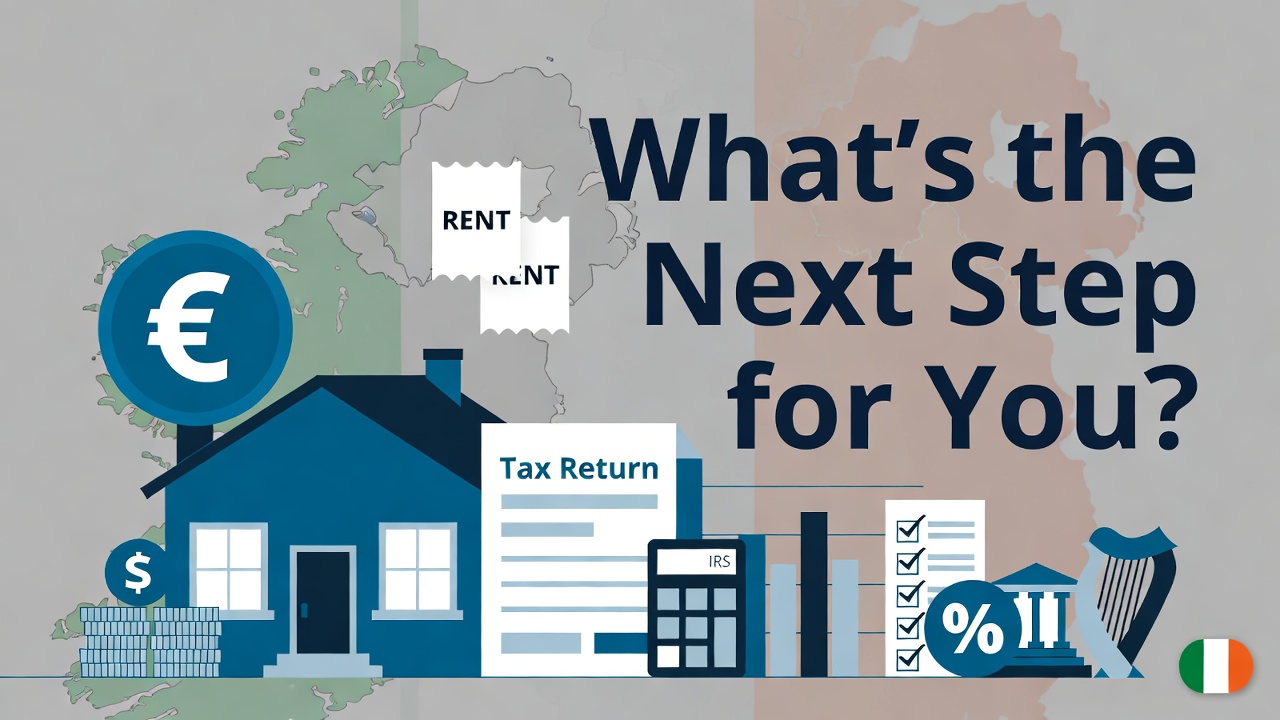
What’s the Next Step for You?

If you need assistance with managing taxes on rental income in Ireland or navigating related paperwork, hiring a trusted formation agent can make all the difference. Firms like TAS Consulting specialise in helping landlords handle tax filings, compliance, and paperwork efficiently, guiding you every step of the way.

Reach out today to get expert support tailored to your rental property needs and ensure you’re fully compliant with Irish tax laws.

What’s the Next Step for You?

Contact Us

Full name

Phone Number

Email

Subject

Message

Success

Your form submitted successfully!

Error

Sorry! your form was not submitted properly, Please check the errors above.

Unit 80, Cherry Orchard Business Park, D10NX96, Dublin 10, Ireland

Monday to Friday: 0800 hours – 1700 hours
Saturday & Sunday: Closed

Email: moh@tasconsulting.ie

Mobile: +353 85 1477625