

The 5 Most Important Accounting Tips for Small Business
Running a small business demands more than just passion—it requires financial precision. Without proper accounting practices, managing expenses, taxes, and cash flow becomes overwhelming, often leading to avoidable failures. Fortunately, today’s accounting software for small businesses, combined with expert support, makes financial management more accessible than ever. Below are the five most important accounting tips for small business owners looking to thrive financially.
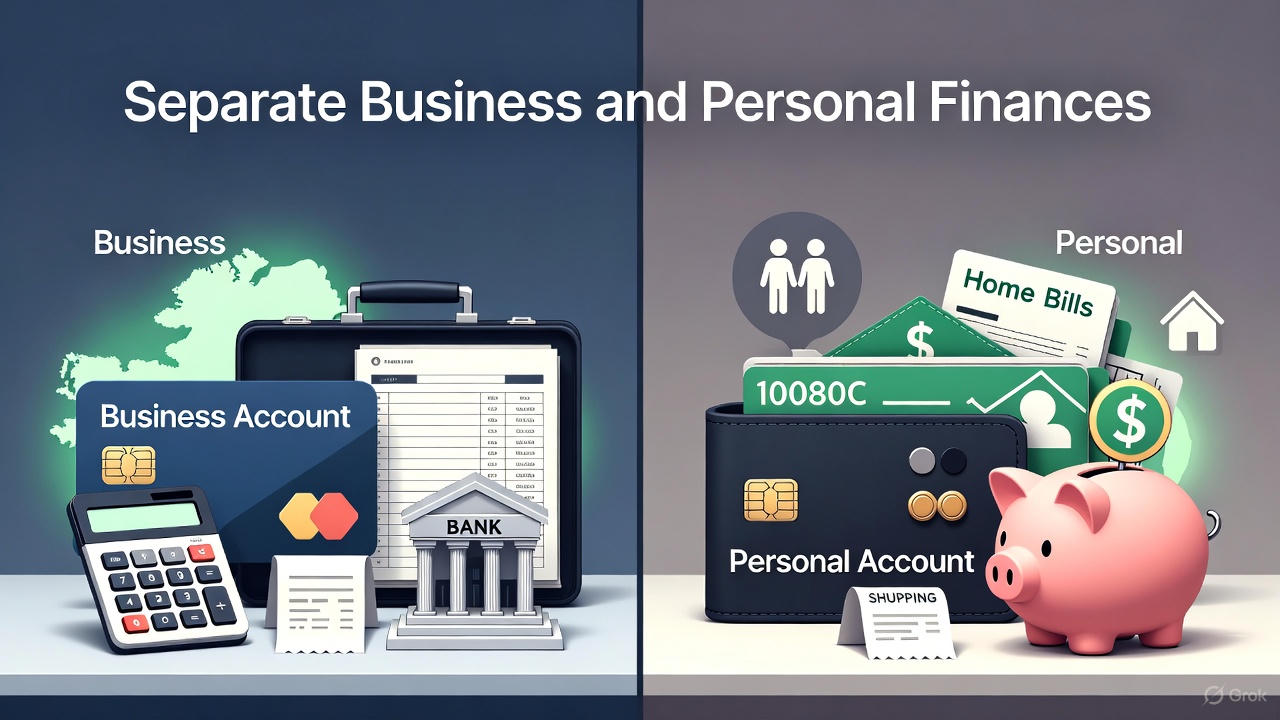
Separate Business and Personal Finances
One of the most overlooked yet essential practices is to separate business and personal finances. Mixing accounts can complicate tax preparation services for small business and make it harder to claim legitimate tax deductions for small business. Opening dedicated business bank accounts and using cloud accounting solutions ensures cleaner records and easier audits.
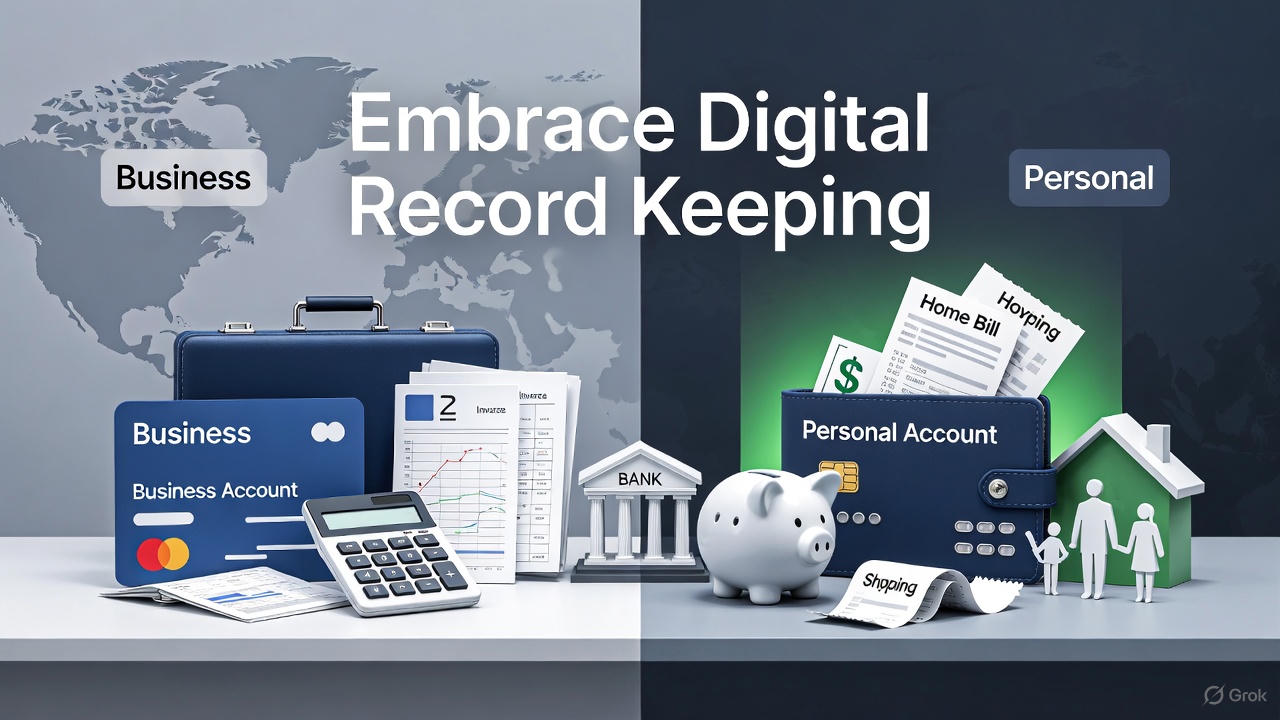
Embrace Digital Record Keeping
Efficient digital record keeping for small business saves time, reduces paperwork, and enhances data accuracy. Tools offering free accounting software or automated accounting tips can simplify transaction tracking, while maintaining compliance with local tax laws.
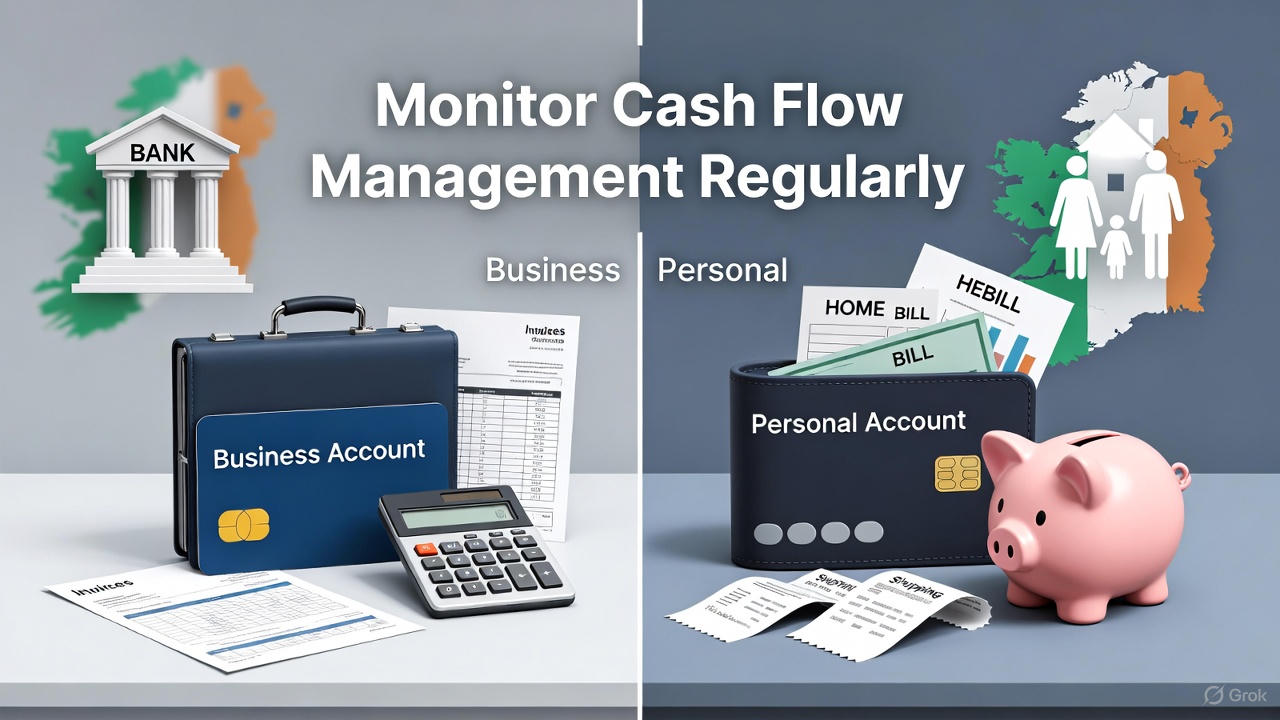
Monitor Cash Flow Management Regularly
Successful entrepreneurs understand the importance of cash flow management. Use your profit and loss statement template to track income versus expenses monthly. Accurate cash flow analysis also aids in budgeting for small business and avoiding potential shortfalls.
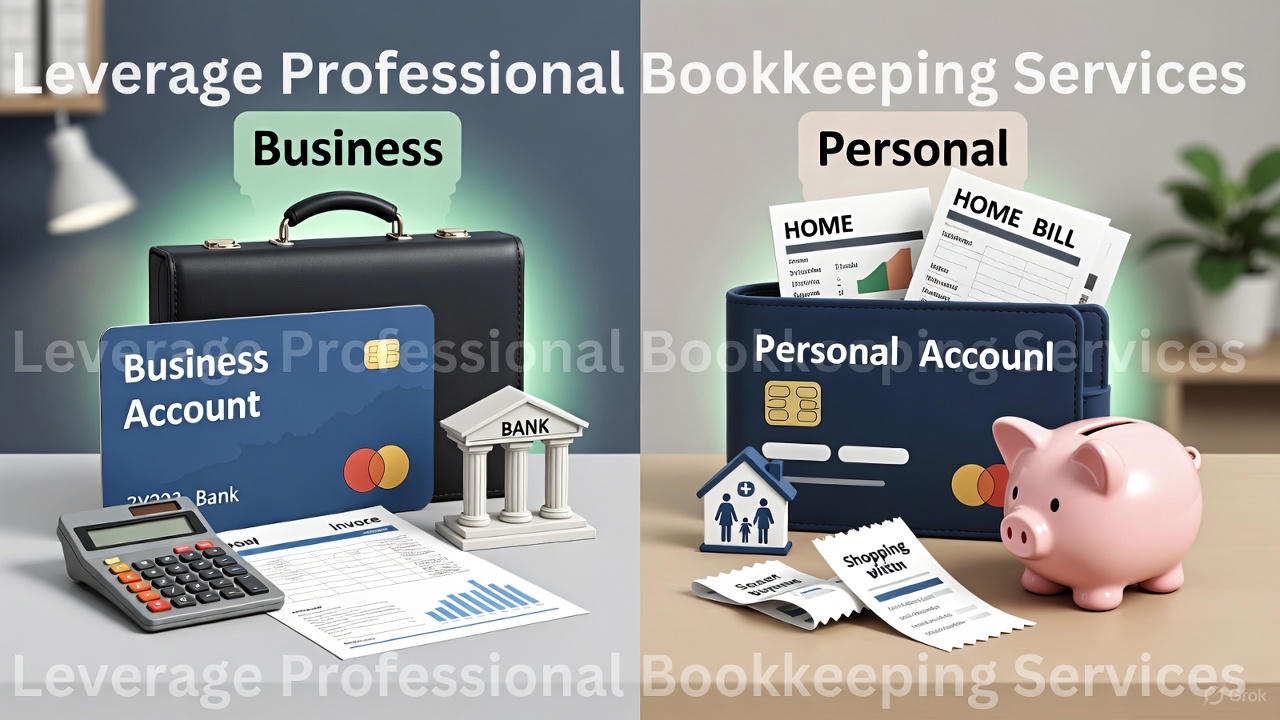
Leverage Professional Bookkeeping Services
Outsourcing your financial tasks to reliable bookkeeping services or a small business tax accountant helps ensure precision and saves you time. These professionals can also assist with quarterly financial reporting, inventory accounting tips, and credit control for small business—crucial for maintaining profitability.
Use Smart Accounting Software and Tools
Investing in the right accounting software for small businesses or cloud accounting solutions can streamline operations and automate tedious tasks. From generating a profit and loss statement template to managing expenses, these platforms offer essential automated accounting tips that reduce human error and increase efficiency.
When to Consult a Forensic Accountant
If financial discrepancies arise, a forensic accounting small business expert can help identify irregularities, ensuring your finances are secure and legally compliant.
Why Accounting Mastery Is a Growth Catalyst for Small Business
One thing is certain: once you've mastered basic small business accounting and adopted sound bookkeeping services, you'll gain a clearer picture of your business’s financial health. A well-maintained profit and loss statement template reveals not only your current financial position but also offers insights into areas for growth or cost-cutting.
Establishing solid accounting and bookkeeping habits serves as more than just routine management—it becomes a strategic advantage. By using automated accounting tips, maintaining accurate digital record keeping for small business, and leveraging reliable accounting software for small businesses, you set the stage for long-term growth.
With a clear understanding of your cash flow, income trends, and expenses, you’ll be better prepared for tasks like budgeting for small business, filing for tax deductions for small business, and even dealing with quarterly financial reporting. These practices help you stay ahead of your competition and streamline operations for scalability.
Choose Between a Bookkeeper and Accounting Software
As a small business owner, you might feel compelled to wear every hat—handling sales, marketing, and even small business accounting yourself to save money. However, relying solely on your own knowledge can lead to avoidable errors. Hiring professional bookkeeping services—even part-time or freelance—ensures accuracy and gives you peace of mind that your books are in expert hands.
On the other hand, if you're confident managing finances independently, modern accounting software for small businesses offers powerful tools to track income, expenses, and generate reports. Many platforms provide free accounting software options, ideal for startups or entrepreneurs looking to keep costs low while maintaining control.
Whether you opt for a small business tax accountant, an outsourced bookkeeper, or robust cloud accounting solutions, the key is choosing the approach that best supports your needs without sacrificing financial accuracy.
Keep Your Personal and Business Finances Separate
One of the foundational rules of small business accounting is to separate business and personal finances. Combining personal spending with business income may seem harmless at first, but it quickly becomes a logistical nightmare—especially when you're sorting through personal purchases trying to find one business-related transaction.
Not only does this make digital record keeping for small business unnecessarily complicated, but it also opens the door to missed tax deductions for small business and errors during tax preparation. To avoid confusion and potential audit red flags, open a dedicated business bank account. This simple step supports cleaner cash flow management, makes quarterly financial reporting easier, and enhances overall financial transparency.
Whether you’re using accounting software for small businesses or hiring a small business tax accountant, clean separation between personal and business transactions is key to staying compliant and organized.

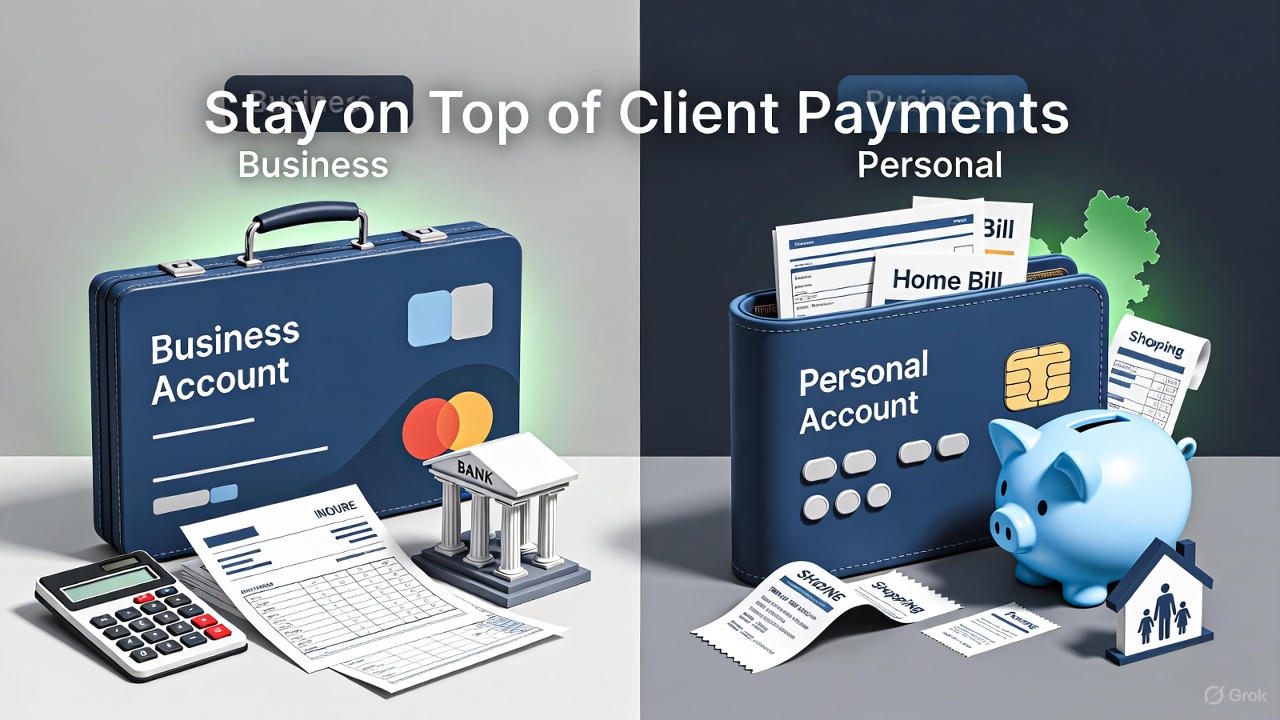
Stay on Top of Client Payments
While it’s motivating to see large figures in your accounts receivable, those numbers are just theoretical until the funds actually hit your bank account. In small business accounting, credit control for small business is crucial. Failing to collect on outstanding invoices can seriously disrupt your cash flow management and jeopardize your financial stability.
Don’t let late-paying clients slip through the cracks. Make it a policy to collect payment for past services before providing any additional goods or services. This proactive approach protects your revenue stream and reduces the risk of long-term debt accumulation.
Consider upgrading your cloud accounting solutions or billing platform to include automated reminders, streamlined invoice templates, and real-time payment tracking. Better invoicing leads to fewer payment delays and supports more accurate quarterly financial reporting.
Whether you're handling this internally or with the support of bookkeeping services, staying firm on payment collection is a vital step in keeping your small business financially healthy.
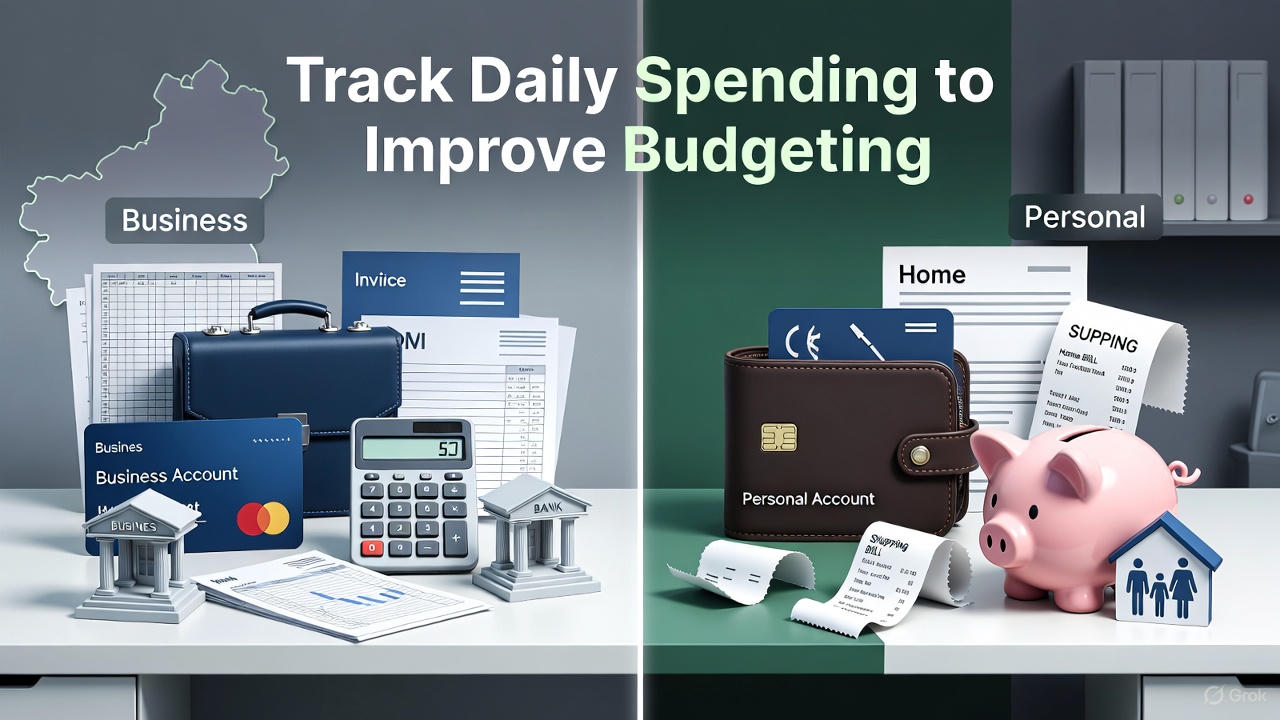
Track Daily Spending to Improve Budgeting
Keeping a close eye on your daily business expenses is a smart habit that supports better budgeting for small business. Rather than reviewing your costs every two weeks for payroll or tax purposes, make it a practice to log spending on a daily or weekly basis.
This approach gives you a real-time understanding of your financial position and helps with strategic cash flow management. Knowing where your money is going allows you to allocate resources wisely and plan for future expenses with more accuracy.
Using accounting software for small businesses or free accounting software can automate daily tracking and streamline digital record keeping for small business. These tools not only enhance financial clarity but also support effective quarterly financial reporting, helping you make better-informed decisions week after week.
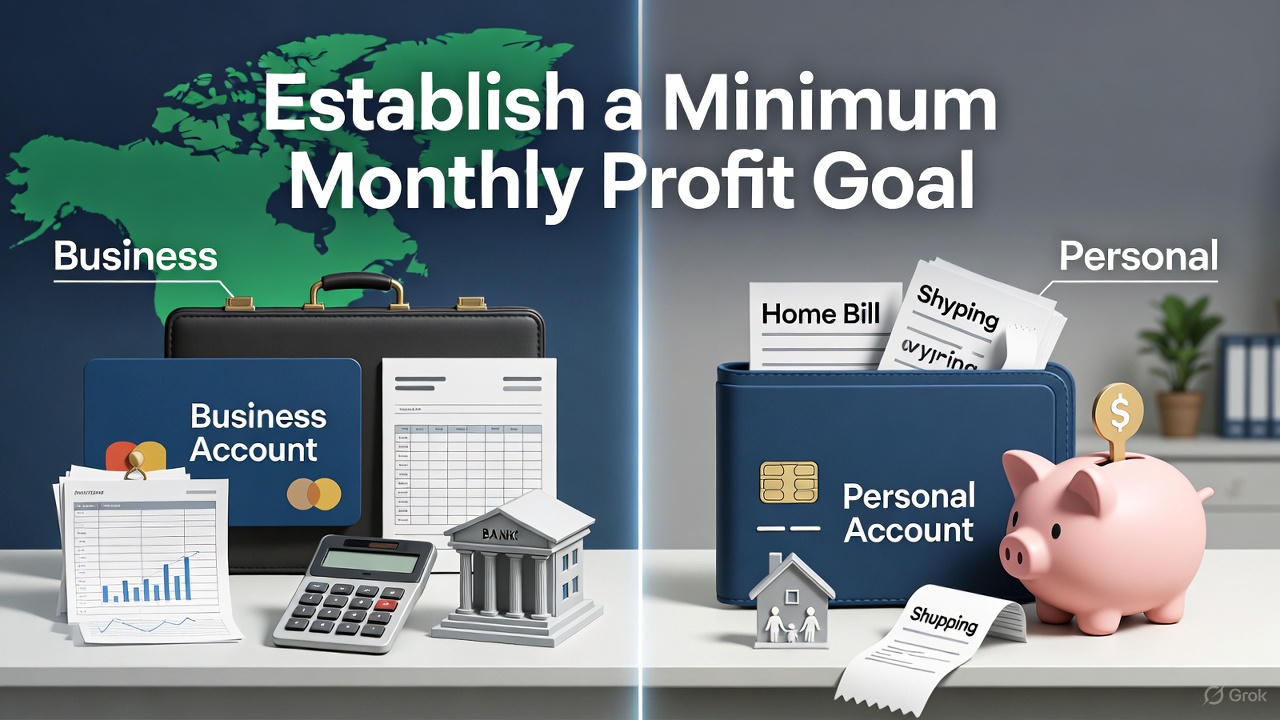
Establish a Minimum Monthly Profit Goal
Running a small business often means juggling multiple financial responsibilities, and without clarity, the numbers can quickly become overwhelming. That’s why it’s essential to set a clear minimum monthly profit goal.
Start by outlining all your fixed costs, recurring expenses, and essential outflows. With this reliable system in place, you’ll gain a firm grasp on how much you need to earn just to break even. Once you have that baseline, set a realistic income target to ensure your operations remain sustainable.
This practice not only simplifies small business accounting but also improves cash flow management and informs smarter budgeting for small business. By pairing this approach with tools like a profit and loss statement template, you can keep your business finances organized and avoid unnecessary stress.
Whether you're working with a small business tax accountant or managing your books with cloud accounting solutions, defining your minimum profit threshold is a foundational step toward long-term financial health.
Contact Us
Office Address
Unit 80, Cherry Orchard Business Park, D10NX96, Dublin 10, Ireland
Working Hours
Monday to Friday: 0800 hours – 1700 hours
Saturday & Sunday: Closed
Email or Call Us
Email: moh@tasconsulting.ie
Mobile: +353 85 1477625

Other Services?
We offer a range of services to Start-ups & Businesses in Ireland.