TAS Consulting

OSS VAT E-Commerce A Complete Guide for Online Sellers

The EU VAT reform 2025 marks a significant milestone for online businesses. With the introduction of the One Stop Shop EU (OSS), selling across borders has become simpler, but also more regulated. For e-commerce businesses—whether you are selling on Amazon, Shopify, or your own digital platform—understanding the OSS registration requirements and distance selling VAT rules is now essential.

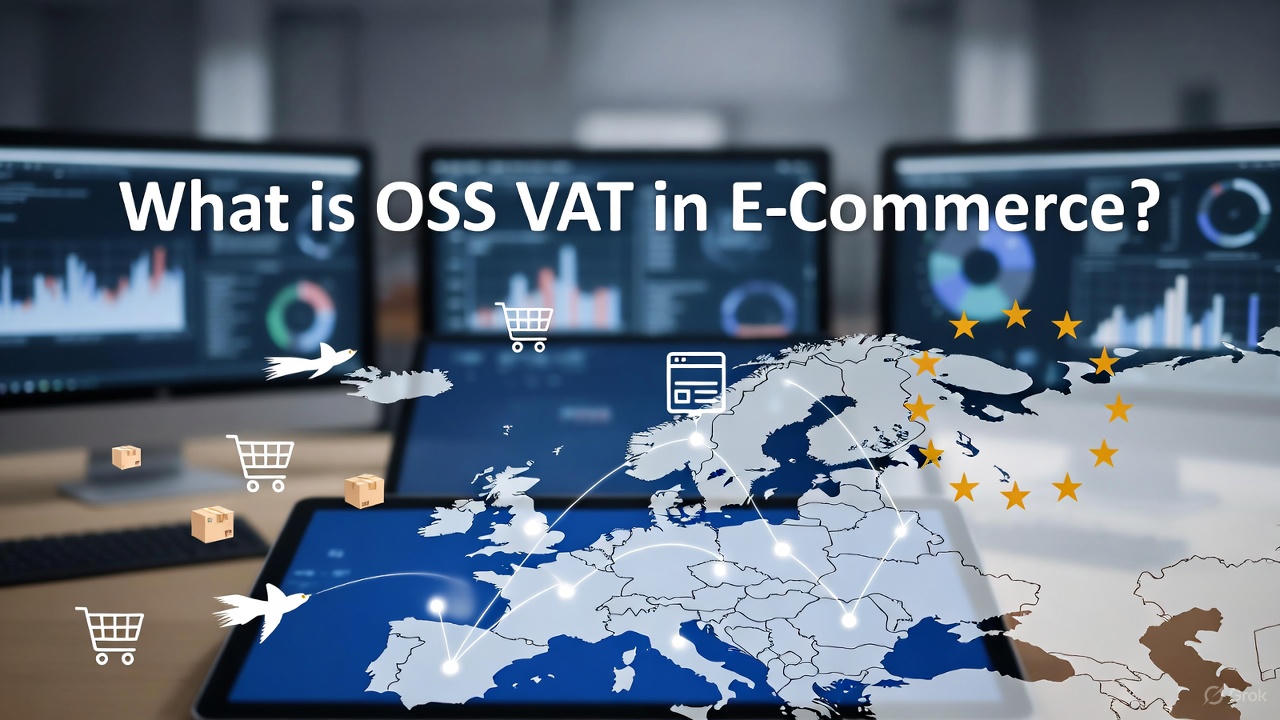
What is OSS VAT in E-Commerce?

The OSS VAT e-commerce scheme was designed to replace the old distance selling VAT rules. Previously, sellers had to register for VAT in each EU country once their sales exceeded local thresholds. Now, with EU VAT thresholds abolished, a single OSS registration allows businesses to report all B2C e-commerce VAT across EU member states.

This VAT simplification EU system reduces administrative burdens and provides clarity for sellers. However, it also introduces stricter VAT compliance for online sellers, with clear OSS VAT reporting deadlines and stricter penalties for OSS non-compliance.

What is OSS VAT in E-Commerce?
How OSS Works for Marketplaces and Online Platforms

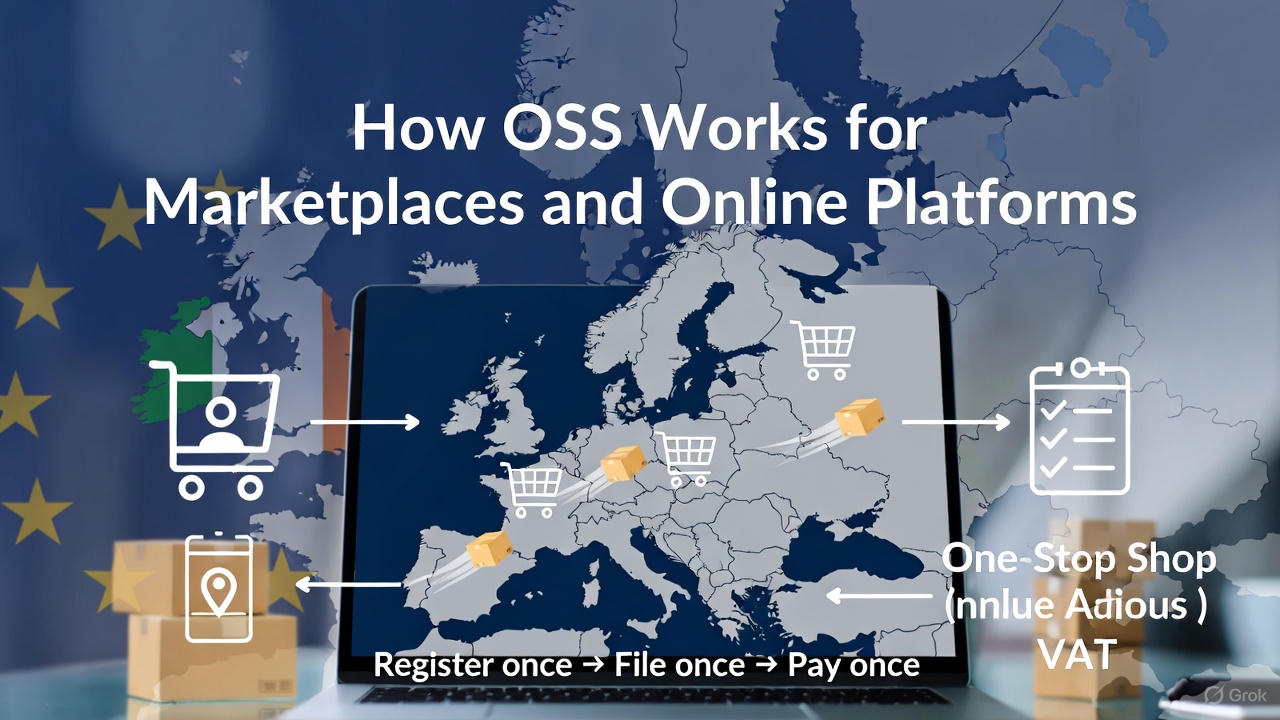
How OSS Works for Marketplaces and Online Platforms

The OSS scheme is not only for independent sellers. EU marketplace VAT obligations mean platforms like Amazon and Shopify must also comply. For example, Amazon OSS VAT reporting ensures that cross-border sales through the marketplace are properly taxed. Similarly, Shopify OSS integration enables merchants to automate VAT collection and reporting across EU states.

For platforms facilitating digital services OSS schemes (such as e-books, streaming, and software), the system applies equally. In short, the OSS ensures transparency and consistency across all cross-border e-commerce VAT transactions.

OSS vs IOSS Explained

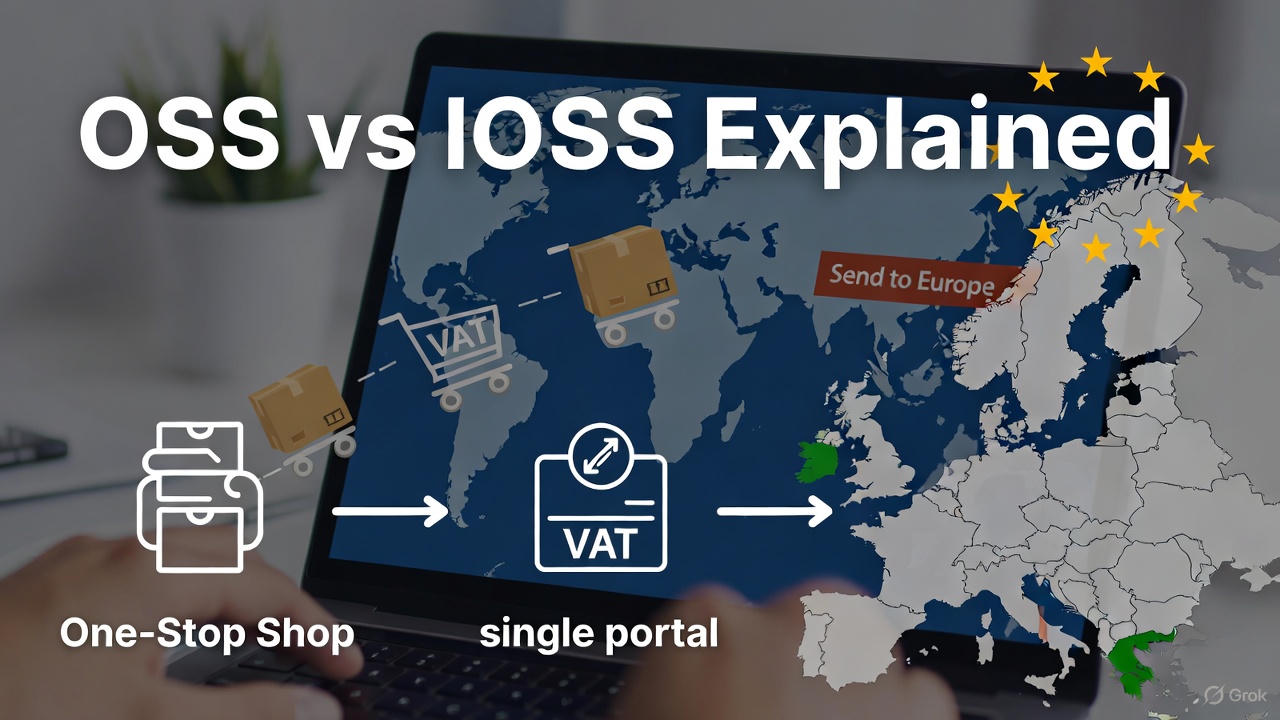
Many sellers confuse the OSS with the IOSS. The Import One Stop Shop (IOSS) applies to goods imported from non-EU countries under €150. Meanwhile, the OSS benefits for SMEs and larger sellers alike by covering intra-EU B2C sales. Together, these systems simplify VAT reporting but in different contexts.

Understanding OSS vs IOSS explained properly helps avoid costly mistakes and ensures smooth VAT compliance for online sellers.

OSS vs IOSS Explained
Impact on Non-EU Sellers

Impact on Non-EU Sellers

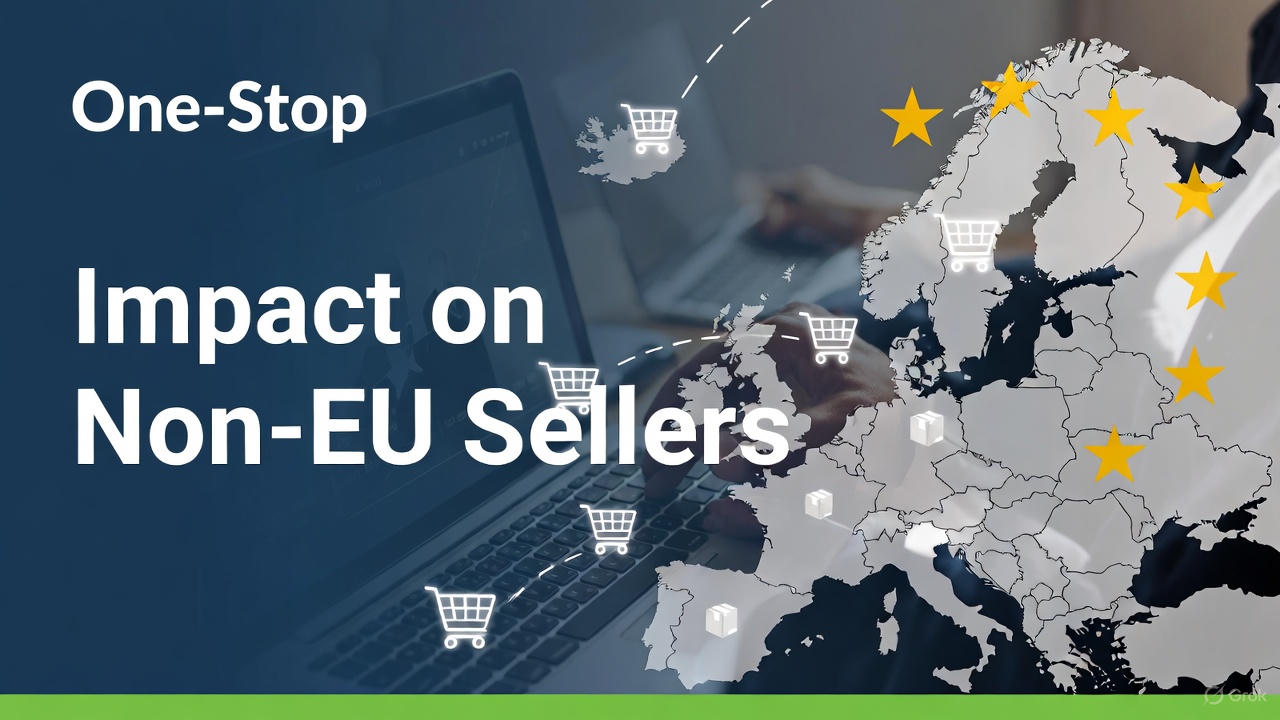
If you’re a business outside Europe, you’re not exempt. Non-EU sellers OSS rules require foreign businesses selling to EU customers to register for OSS through a member state. This ensures fair competition and prevents tax leakage within the single market.

Why Compliance Matters

Failing to comply with OSS VAT reporting deadlines can result in significant penalties for OSS non-compliance. Proper VAT rules for marketplaces also mean that online platforms are increasingly held responsible for enforcing compliance. For businesses, the real advantage lies in the OSS benefits for SMEs—streamlined reporting, reduced costs, and faster market entry across Europe.

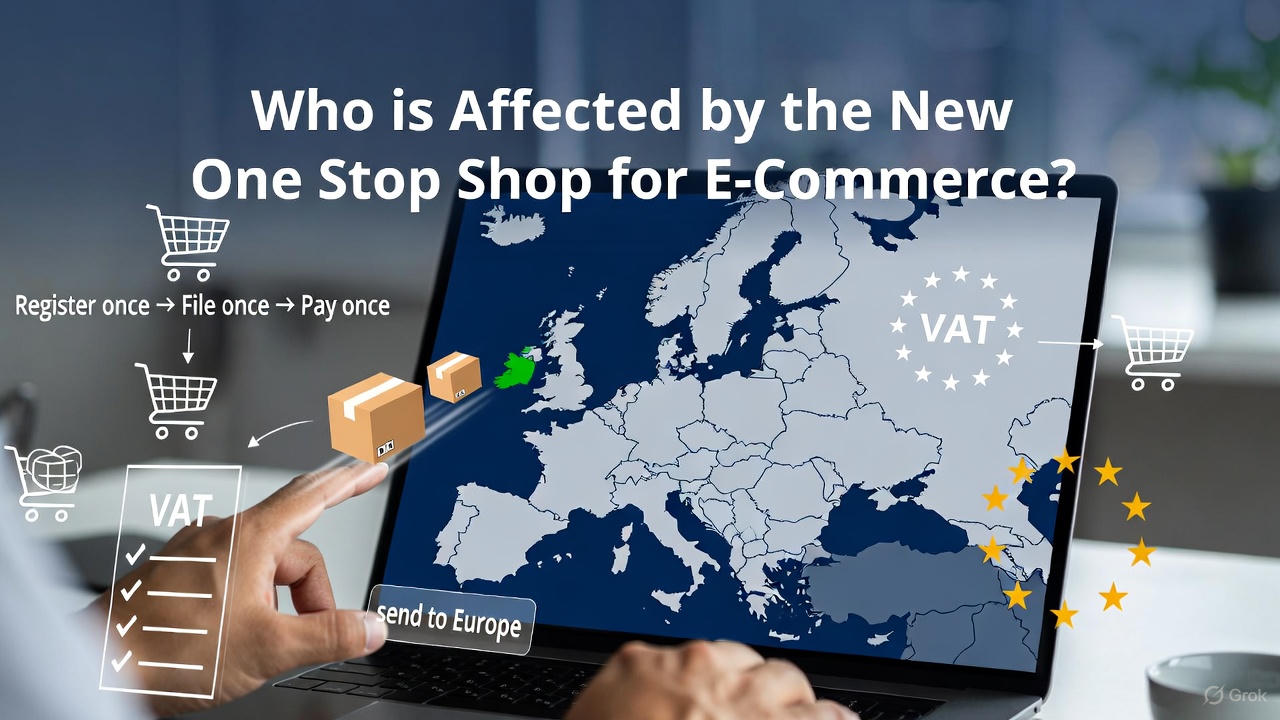
Who is Affected by the New One Stop Shop for E-Commerce?

The new One Stop Shop EU (OSS) system affects a wide range of businesses involved in cross-border trade. If you sell goods or digital services to consumers in the EU, the OSS VAT e-commerce scheme is designed for you.

  • EU-based online sellers – Any business making B2C e-commerce VAT sales across EU borders must now report VAT under OSS. Since EU VAT thresholds were abolished, all sales are subject to reporting, regardless of size.
  • Non-EU sellers – Even companies outside Europe are impacted. Non-EU sellers OSS rules require foreign businesses selling into the EU to register for OSS through a chosen member state.
  • Marketplaces and platforms – Platforms such as Amazon and Shopify face EU marketplace VAT obligations. This includes Amazon OSS VAT reporting and Shopify OSS integration, ensuring VAT is properly collected and submitted on behalf of sellers.
  • Digital service providers – Businesses offering e-books, software, music, or streaming must follow the digital services OSS scheme, covering cross-border digital transactions.
  • SMEs and startups – Small and medium-sized businesses also benefit, since the OSS benefits for SMEs include simplified VAT filing, reduced compliance costs, and easier entry into multiple EU markets.

In short, the OSS covers any business engaged in cross-border e-commerce VAT within the EU, whether product-based or digital.

Who is Affected by the New One Stop Shop for E-Commerce?
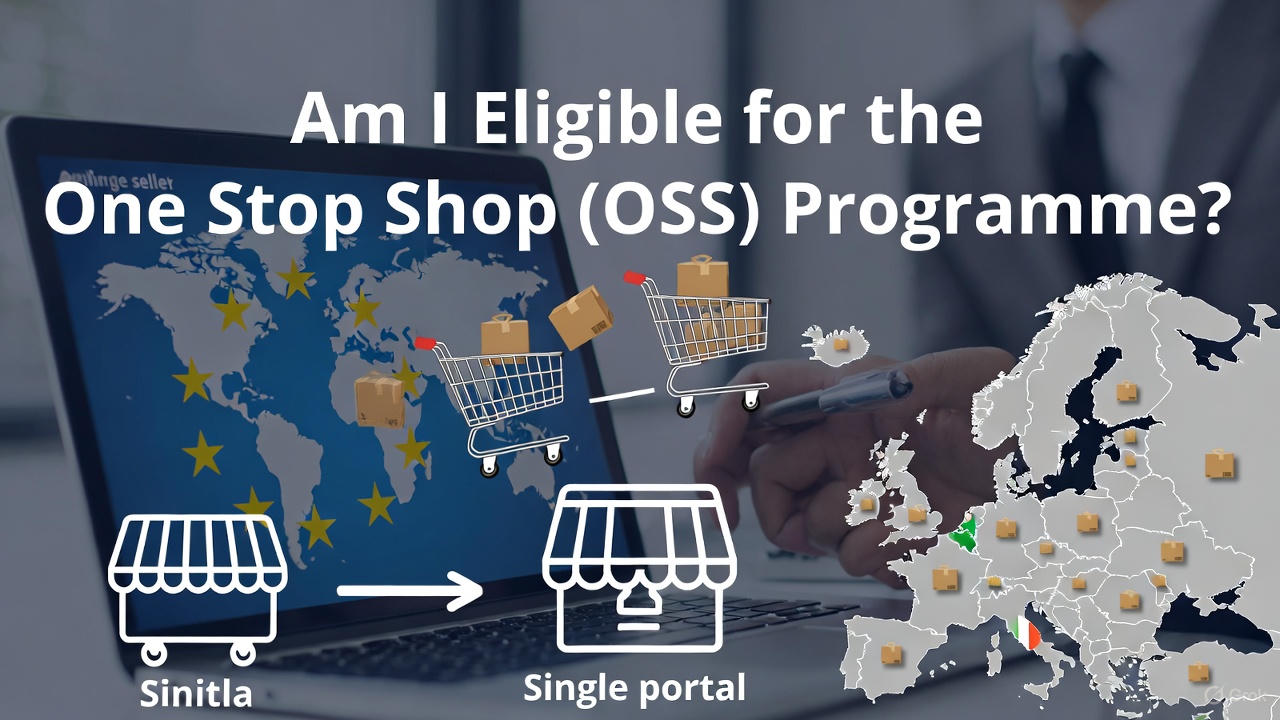
Am I Eligible for the One Stop Shop (OSS) Programme?

Am I Eligible for the One Stop Shop (OSS) Programme?

This is a common question, and for good reason. With the EU VAT reform 2025, the One Stop Shop EU (OSS) has reshaped how online businesses handle VAT. Many e-commerce sellers in Europe—and even outside the EU—are directly affected by the new system.

Who Can Use the OSS VAT E-Commerce Scheme?

You are eligible for the OSS programme if you:

  • Sell goods or services online to EU consumers (B2C e-commerce VAT) across borders.
  • Exceed the abolished EU VAT thresholds, meaning all sales now fall under OSS reporting.
  • Operate through platforms like Amazon OSS VAT or Shopify OSS integration, which are obliged to comply with EU marketplace VAT obligations.
  • Provide digital products or streaming services that fall under the digital services OSS scheme.
  • Run a business outside Europe but sell to EU customers, in which case the non-EU sellers OSS rules apply.

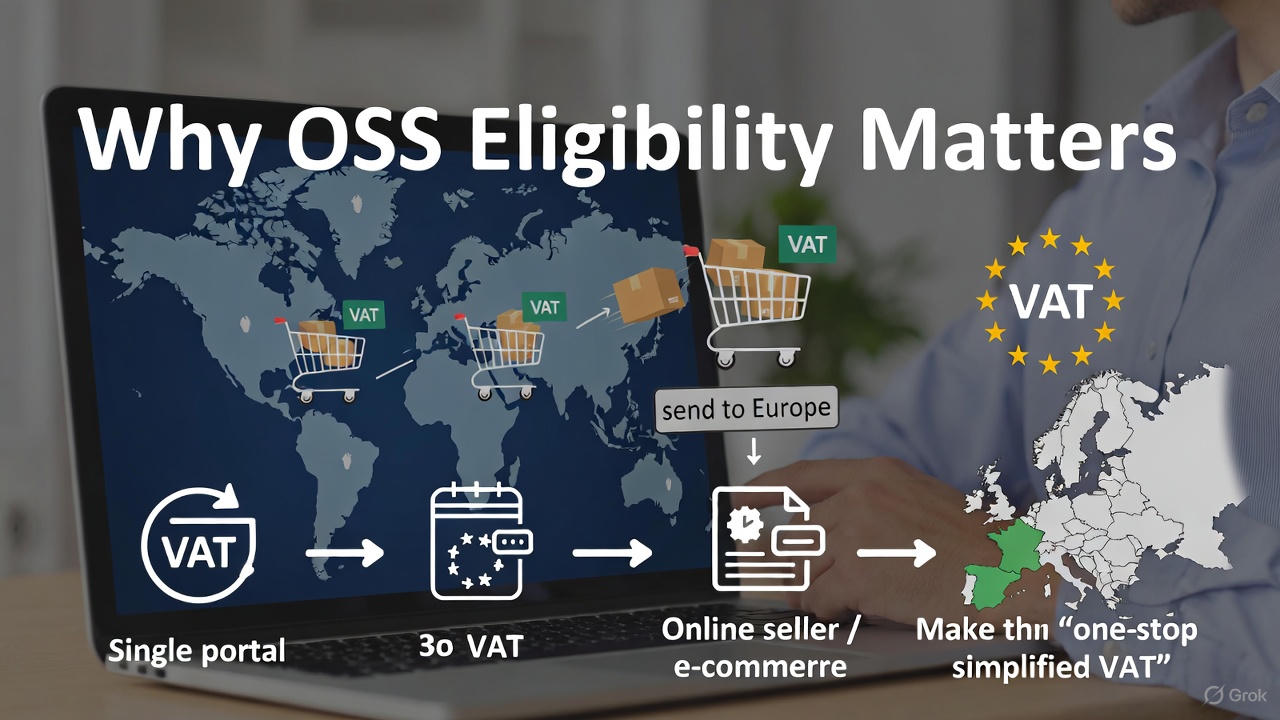
Why OSS Eligibility Matters

If you qualify for OSS, you only need one OSS registration instead of separate VAT registrations in multiple EU countries. This VAT simplification EU measure saves time and costs but comes with responsibilities. Businesses must respect strict OSS VAT reporting deadlines to avoid penalties for OSS non-compliance.

OSS Benefits for SMEs and Online Sellers

For smaller businesses, the OSS provides major advantages. The OSS benefits for SMEs include reduced compliance burdens, faster growth opportunities, and easier entry into EU markets. However, failing to understand VAT rules for marketplaces or misinterpreting OSS vs IOSS explained could create risks.

Why OSS Eligibility Matters
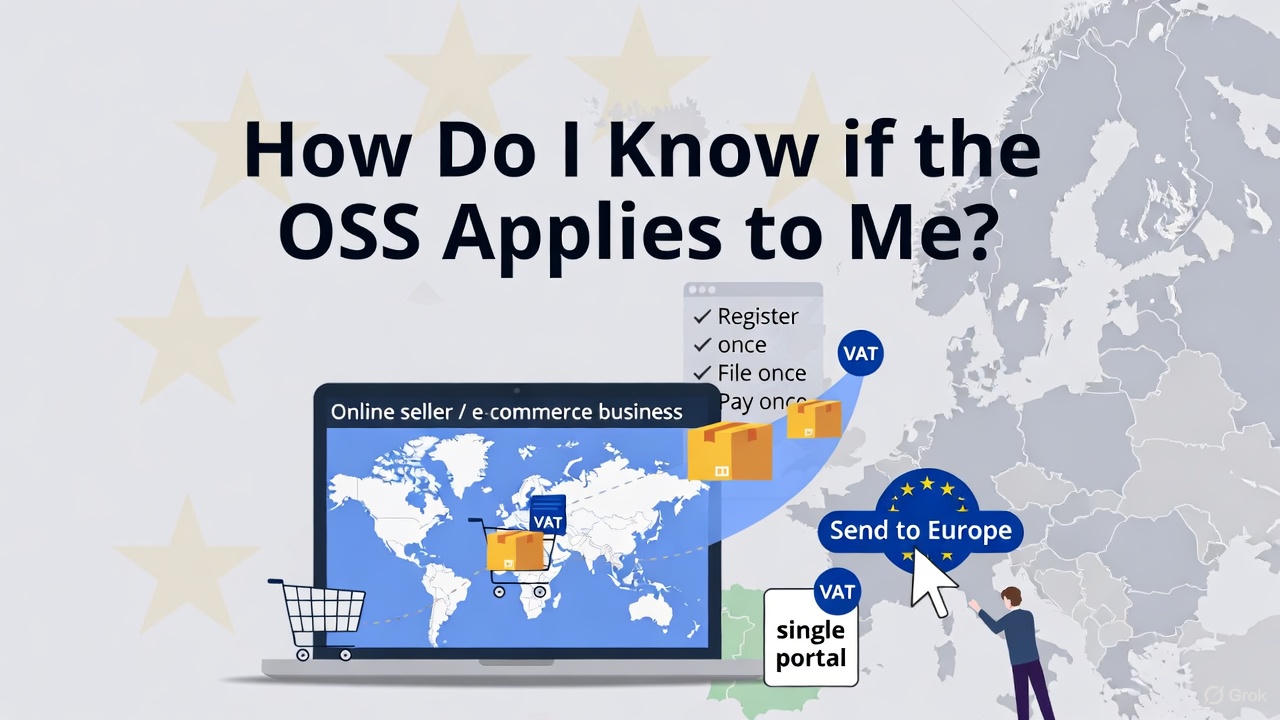
How Do I Know if the OSS Applies to Me?

How Do I Know if the OSS Applies to Me?

If you sell products or services online to customers in the EU, the new OSS VAT e-commerce scheme is very likely to affect—and benefit—you. The One Stop Shop EU (OSS) was introduced under the EU VAT reform 2025 to simplify tax compliance. Instead of registering for VAT in each country, eligible businesses can now submit a single digital OSS VAT return that covers all cross-border B2C sales.

When the OSS Applies

The OSS typically applies if you are:

  • An online retailer selling goods to EU consumers across borders (B2C).
  • Using platforms such as Amazon OSS VAT or Shopify OSS integration, which are covered by EU marketplace VAT obligations.
  • A provider of digital services such as e-books, apps, or streaming, in which case the digital services OSS scheme applies.
  • A non-European business selling into the EU, where non-EU sellers OSS rules ensure compliance.

Since EU VAT thresholds are abolished, even small sellers must now register once their cross-border sales begin. This means OSS applies to most online retailers engaged in cross-border e-commerce VAT.

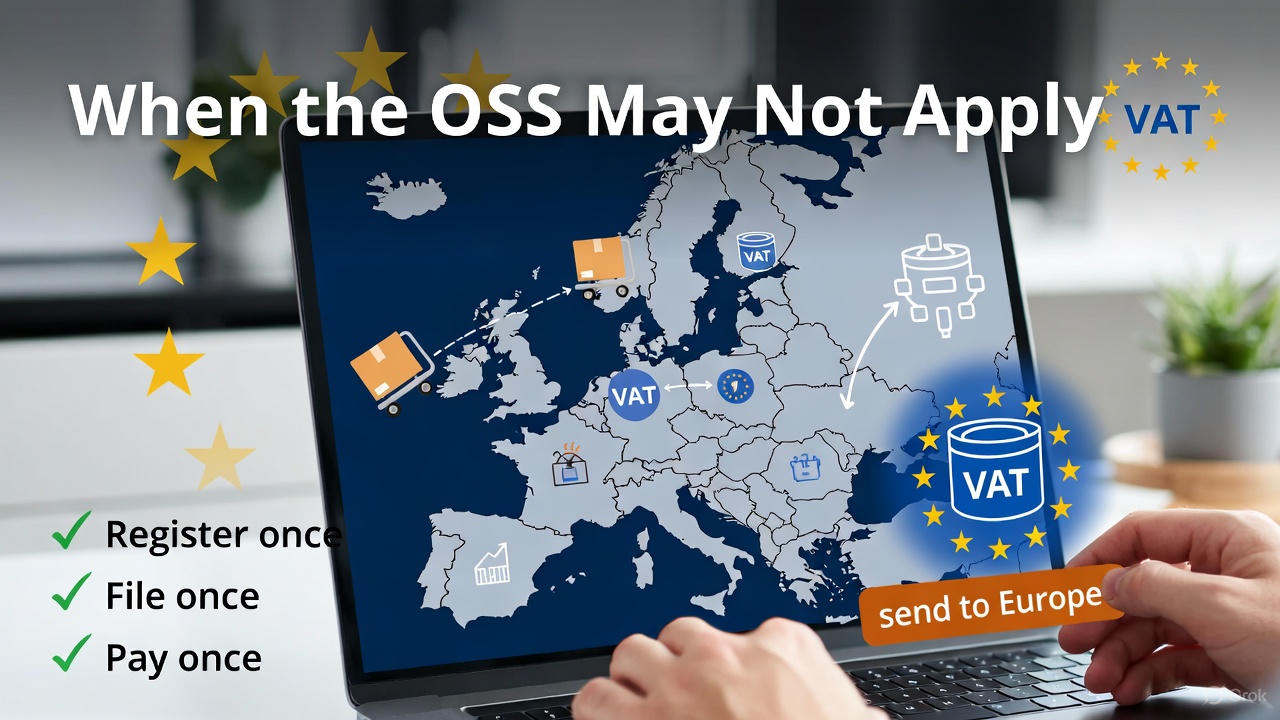
When the OSS May Not Apply

The OSS is optional, and in some cases, businesses may decide not to register. Examples include:

  • Sellers who only trade within one EU country (no cross-border sales).
  • Businesses already registered for VAT in each EU country and preferring to maintain that structure.
  • Specific cases where OSS vs IOSS explained shows that the Import One Stop Shop (IOSS) is the correct scheme instead.

Why OSS Matters for Your Business

Although optional, the OSS offers clear advantages. It simplifies VAT compliance for online sellers, reduces costs, and avoids complex registrations. However, businesses must still follow OSS VAT reporting deadlines and avoid penalties for OSS non-compliance.

For SMEs and startups, the OSS benefits for SMEs make it an attractive choice—streamlined tax filings, faster EU expansion, and easier oversight of VAT rules for marketplaces.

When the OSS May Not Apply
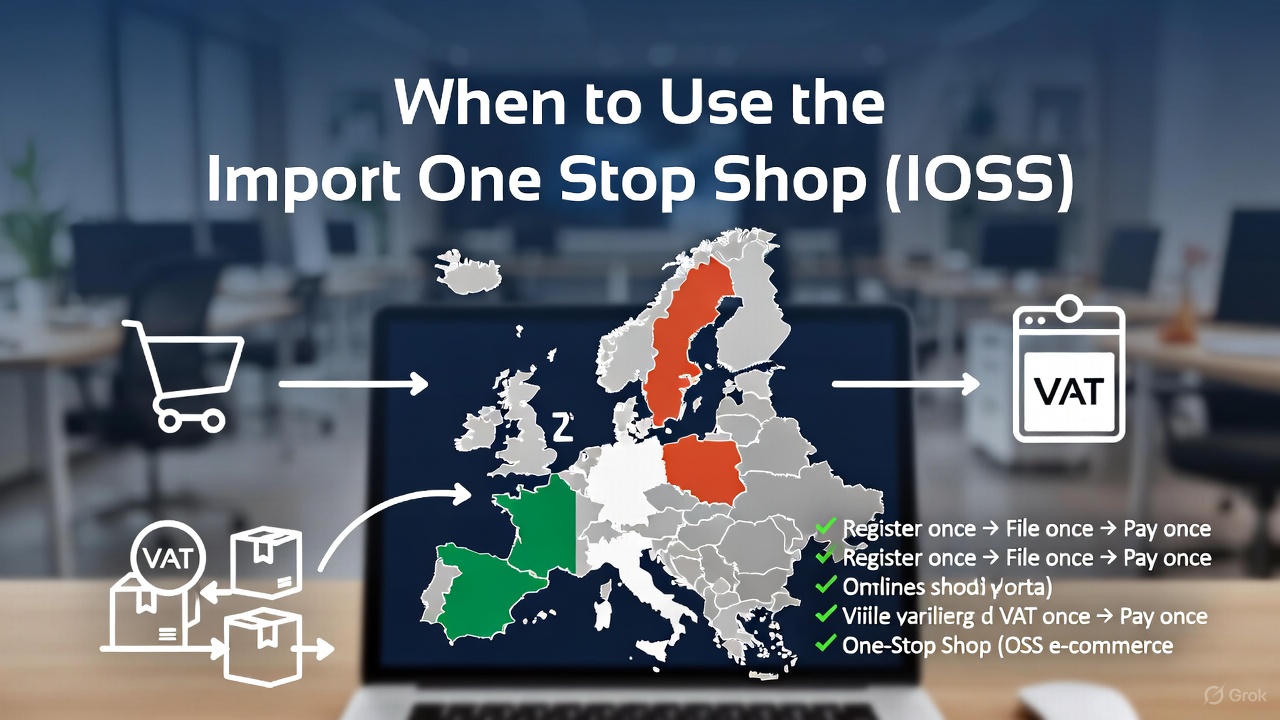
When to Use the Import One Stop Shop (IOSS)

When to Use the Import One Stop Shop (IOSS)

Customers in the EU must follow a different VAT compliance mechanism when purchasing low-value goods (worth €150 or less) that are shipped from outside the EU. In these cases, the Import One Stop Shop (IOSS) is the most effective solution.

Why Use the IOSS?

The IOSS allows non-EU sellers and online platforms to declare and pay VAT on eligible imports through a single monthly return, rather than leaving customers to pay VAT on delivery. This system:

  • Speeds up customs clearance and makes imports hassle-free.
  • Ensures VAT compliance for online sellers without additional paperwork in each country.
  • Improves the customer experience by avoiding surprise VAT bills at delivery.

OSS vs IOSS Explained

While the OSS VAT e-commerce scheme applies to cross-border e-commerce VAT sales within the EU, the IOSS is designed specifically for imports from non-EU countries under €150. Both systems simplify compliance, but they apply to different scenarios:

  • OSS → EU-based cross-border B2C e-commerce VAT sales.
  • IOSS → Imports of low-value goods from outside the EU.

Who Should Register?

  • Non-EU sellers OSS / IOSS: Foreign businesses selling to EU customers benefit from simplified VAT reporting.
  • Marketplaces: Platforms like Amazon and Shopify must meet EU marketplace VAT obligations, which may include registering for IOSS when facilitating sales of imported goods.
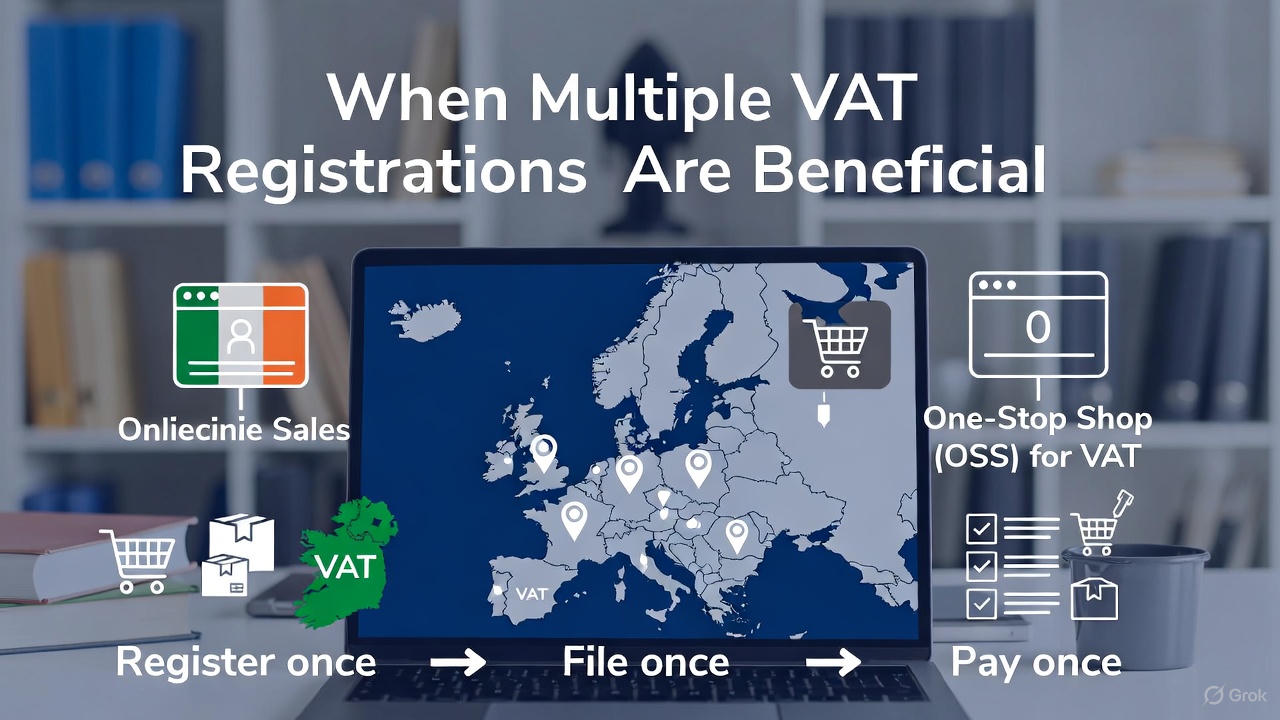
When Multiple VAT Registrations Are Beneficial

When Multiple VAT Registrations Are Beneficial

Even if you are registered under the OSS VAT e-commerce scheme, there are situations where you may still need to maintain additional VAT registrations in specific EU countries. This usually applies when your business structure or logistics create obligations beyond standard OSS reporting.

Why You Might Need Multiple Registrations

  1. Storing goods in several countries – If you hold inventory in different EU member states (for example, through Amazon’s fulfillment centers), you may trigger local VAT registration requirements in addition to OSS.
  2. Reclaiming or deferring VAT – In some cases, registering locally allows you to reclaim input VAT or take advantage of deferral schemes that the OSS alone does not cover.
  3. Marketplace and platform obligations – Under EU marketplace VAT obligations, platforms like Amazon or Shopify may require sellers to register locally when using their storage or distribution services.
  4. Specific business models – Businesses with hybrid operations—such as those combining B2C e-commerce VAT sales under OSS with B2B transactions—may need parallel registrations.

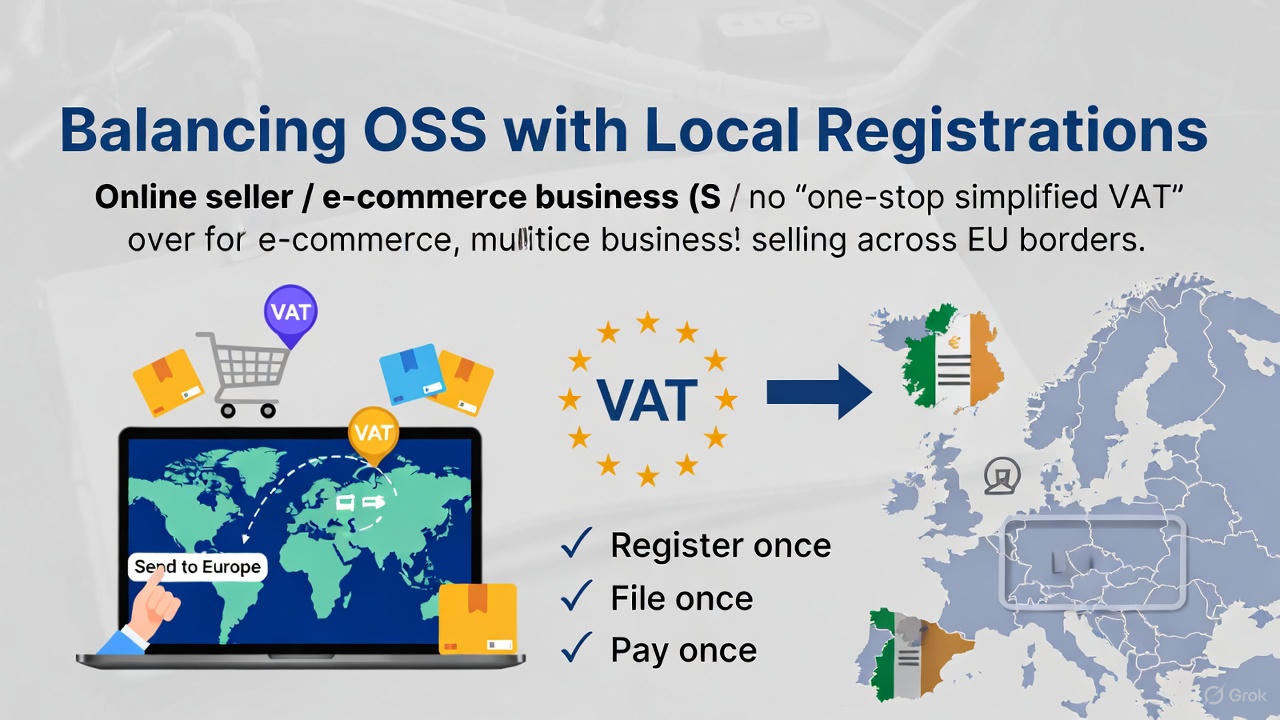
Balancing OSS with Local Registrations

While the OSS registration requirements simplify reporting for cross-border e-commerce VAT, they do not eliminate every VAT obligation. Businesses must carefully evaluate their supply chain, sales channels, and storage practices to ensure VAT compliance for online sellers in all markets.

In many cases, combining OSS with selective local registrations provides the best outcome—maximizing compliance while unlocking benefits such as VAT recovery.

Balancing OSS with Local Registrations
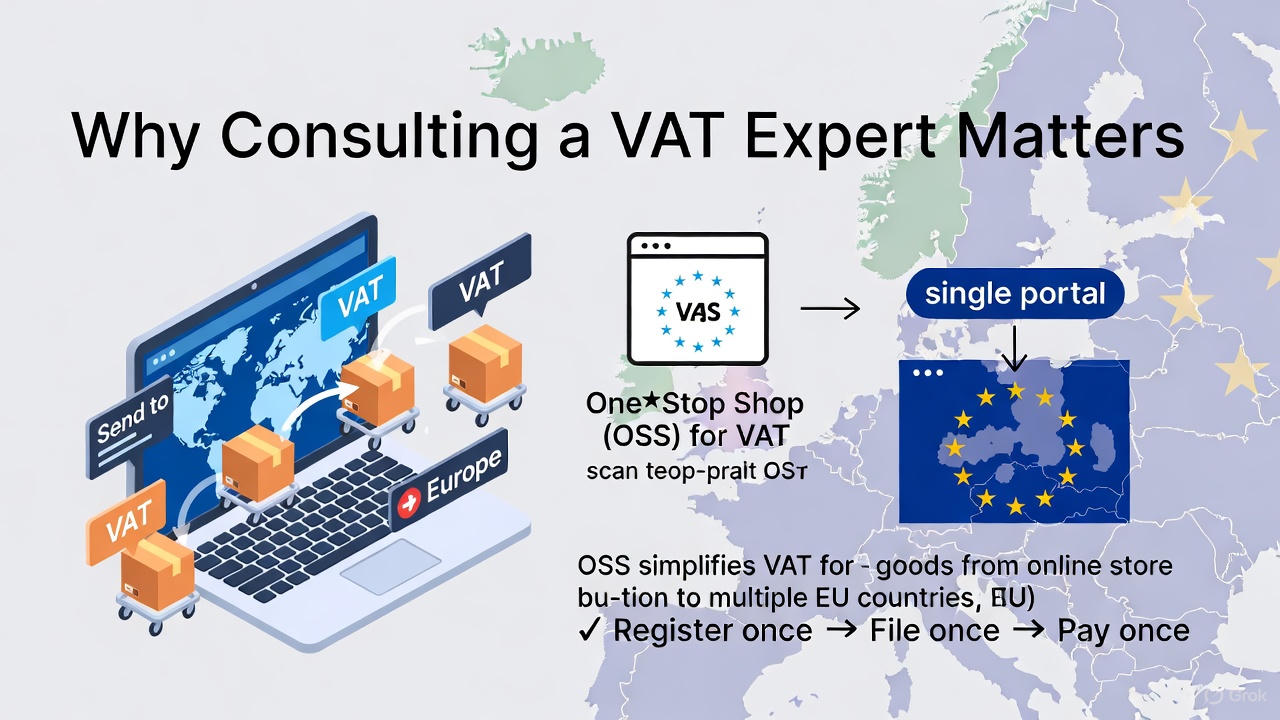
Why Consulting a VAT Expert Matters

Why Consulting a VAT Expert Matters

These considerations can be highly technical, and the right approach depends on your business’s specific operations, supply chain, and long-term goals. The costs and benefits of different VAT strategies—such as choosing between OSS VAT e-commerce or local registrations—can also vary widely.

If you want to ensure accuracy and avoid costly mistakes, it’s wise to consult a VAT specialist. An expert can help you:

  • Determine your OSS registration requirements.
  • Stay compliant with cross-border e-commerce VAT rules.
  • Understand VAT rules for marketplaces if you sell through Amazon or Shopify.
  • Meet OSS VAT reporting deadlines and avoid penalties for OSS non-compliance.
  • Identify situations where additional registrations might allow you to reclaim or defer VAT.

Work With TAS Consulting

At TAS Consulting, our e-commerce VAT experts provide tailored guidance for online retailers, marketplaces, and digital service providers. Whether you’re an EU seller or fall under non-EU sellers OSS obligations, we help you simplify compliance and make the most of the OSS benefits for SMEs.

Book an appointment today to ensure your business stays fully compliant with EU VAT rules and can expand confidently across borders.

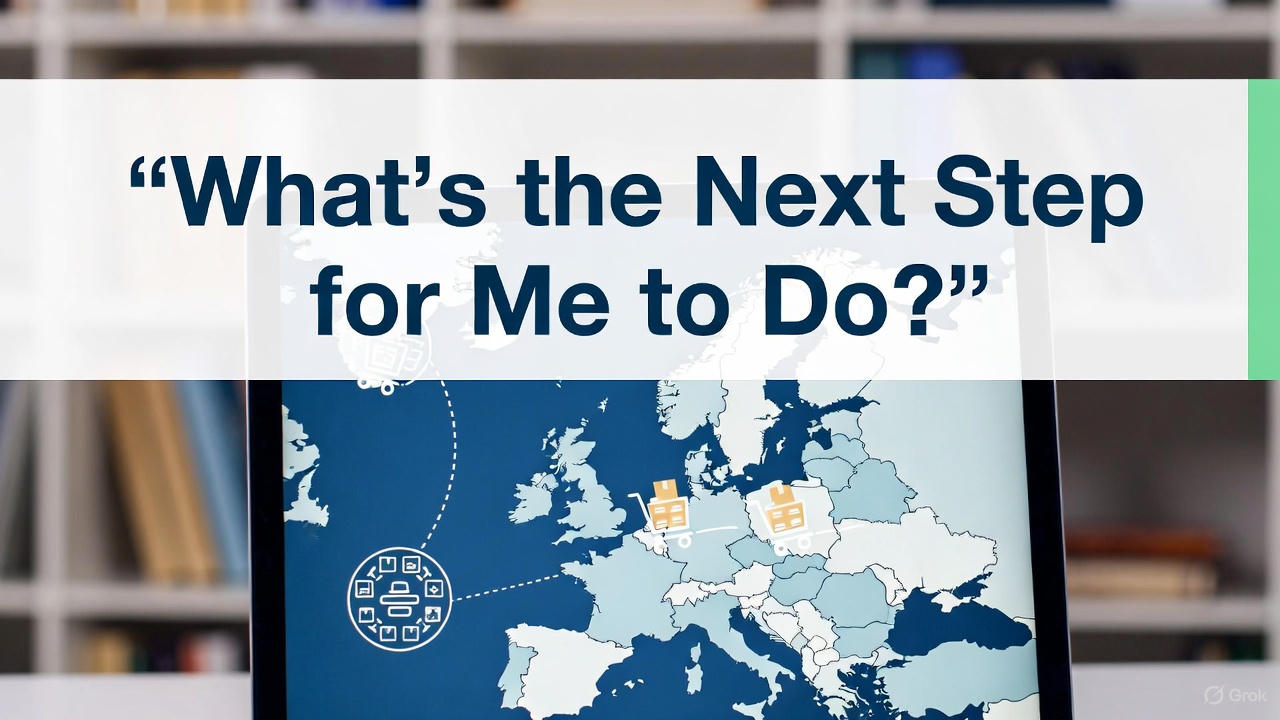
What’s the Next Step for Me to Do?

If you’re unsure whether the OSS VAT e-commerce scheme applies to your business or you want clarity on your OSS registration requirements, now is the perfect time to act.

Our VAT specialists at TAS Consulting are here to guide you through every step—whether it’s navigating cross-border e-commerce VAT, managing EU marketplace VAT obligations, or avoiding penalties for OSS non-compliance.

If you have any queries, or would like specific advice tailored to your business, please do not hesitate to contact a member of our team. We’ll help ensure your VAT strategy is compliant, efficient, and aligned with your growth goals.

Book an appointment today and take the complexity out of EU VAT compliance.

What’s the Next Step for Me to Do?

Contact Us

Full name

Phone Number

Email

Subject

Message

Success

Your form submitted successfully!

Error

Sorry! your form was not submitted properly, Please check the errors above.

Unit 80, Cherry Orchard Business Park, D10NX96, Dublin 10, Ireland

Monday to Friday: 0800 hours – 1700 hours
Saturday & Sunday: Closed

Email: moh@tasconsulting.ie

Mobile: +353 85 1477625